
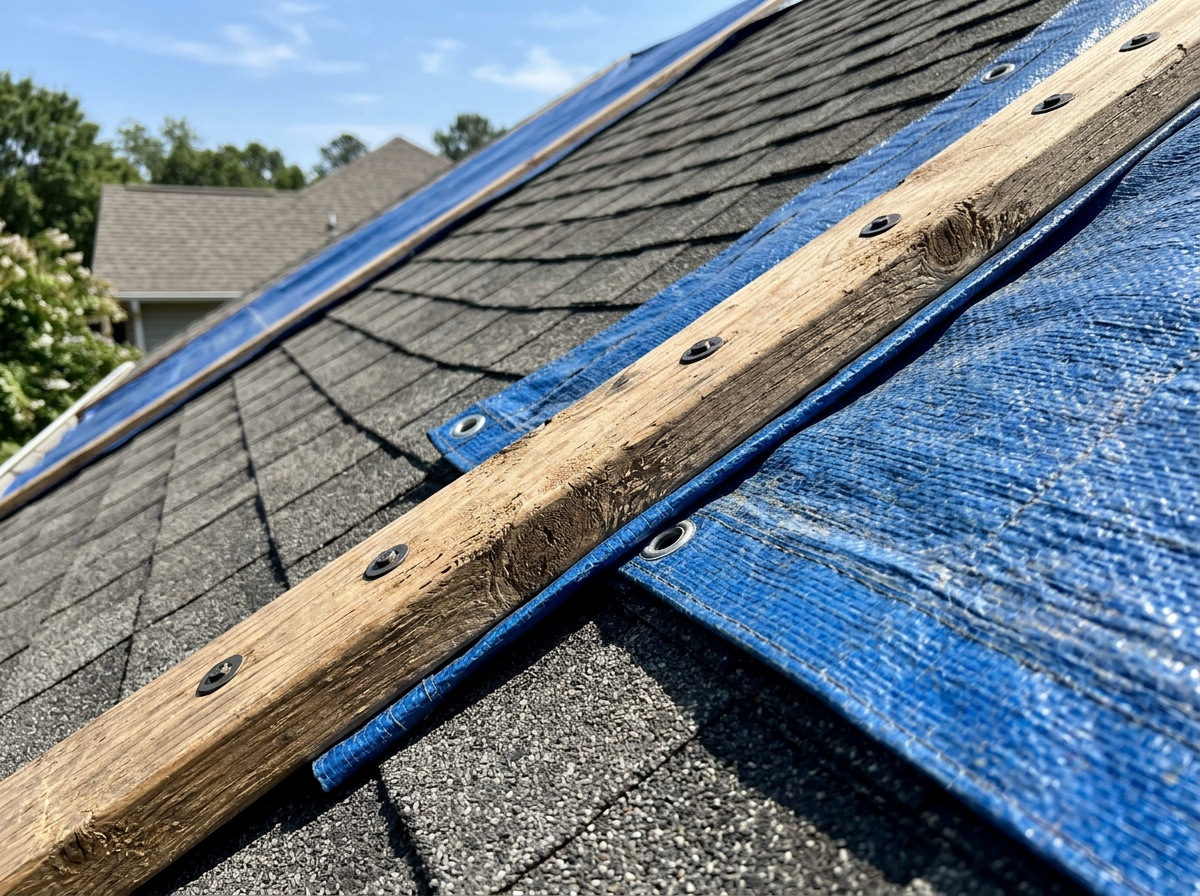
 Roof Mitigation
Emergency Roof Tarping: 10-Mil Poly Standards
How to properly fasten emergency roof tarps with furring strips without damaging sound shingles or creating new leaks.
Read Complete Guide →Emergency roof tarping specifications, tree impact structural shoring, hail damage forensics, and post-hurricane water intrusion protocols.
The 4-stage systematic workflow applied to every storm disaster recovery crisis response.
Actionable protocols and forensic guides authored by certified industry specialists.
Roof Mitigation
How to properly fasten emergency roof tarps with furring strips without damaging sound shingles or creating new leaks.
Read Complete Guide →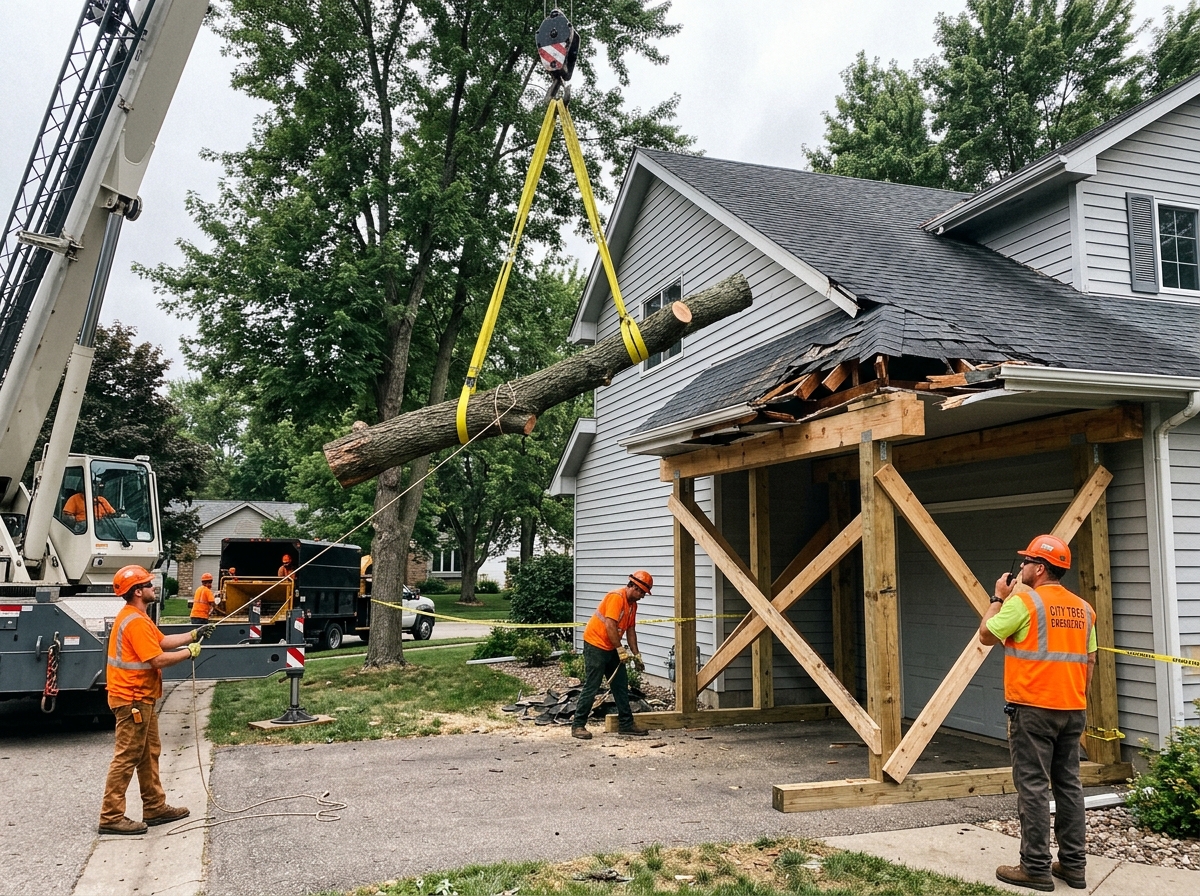 Structural Hazards
Engineering guidelines for stabilizing compromised roof trusses and framing after tree falls before crane removal.
Read Complete Guide →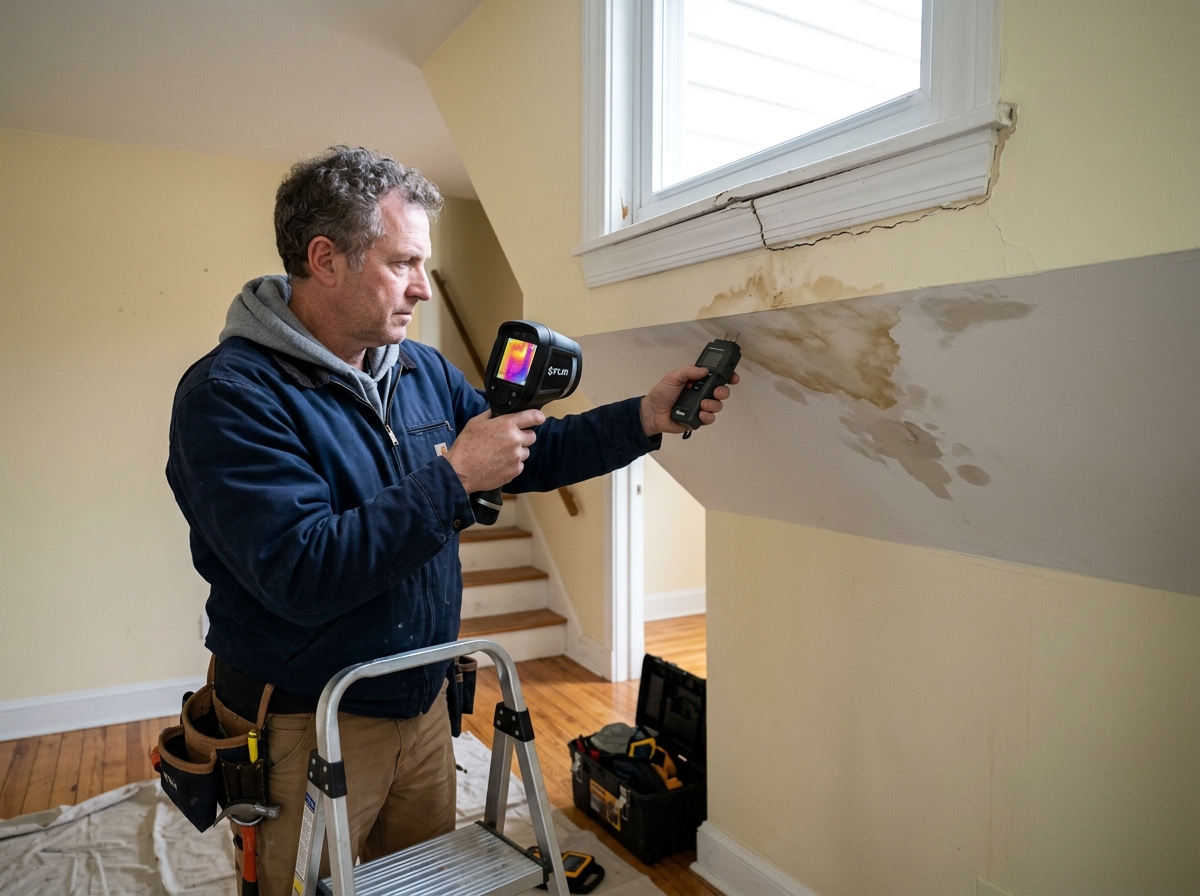 Wind-Driven Rain
Distinguishing between rainwater entering through wind-damaged roofs versus surface rising groundwater under NFIP rules.
Read Complete Guide →Essential resources on damage triage, engineering standards, and insurance documentation.
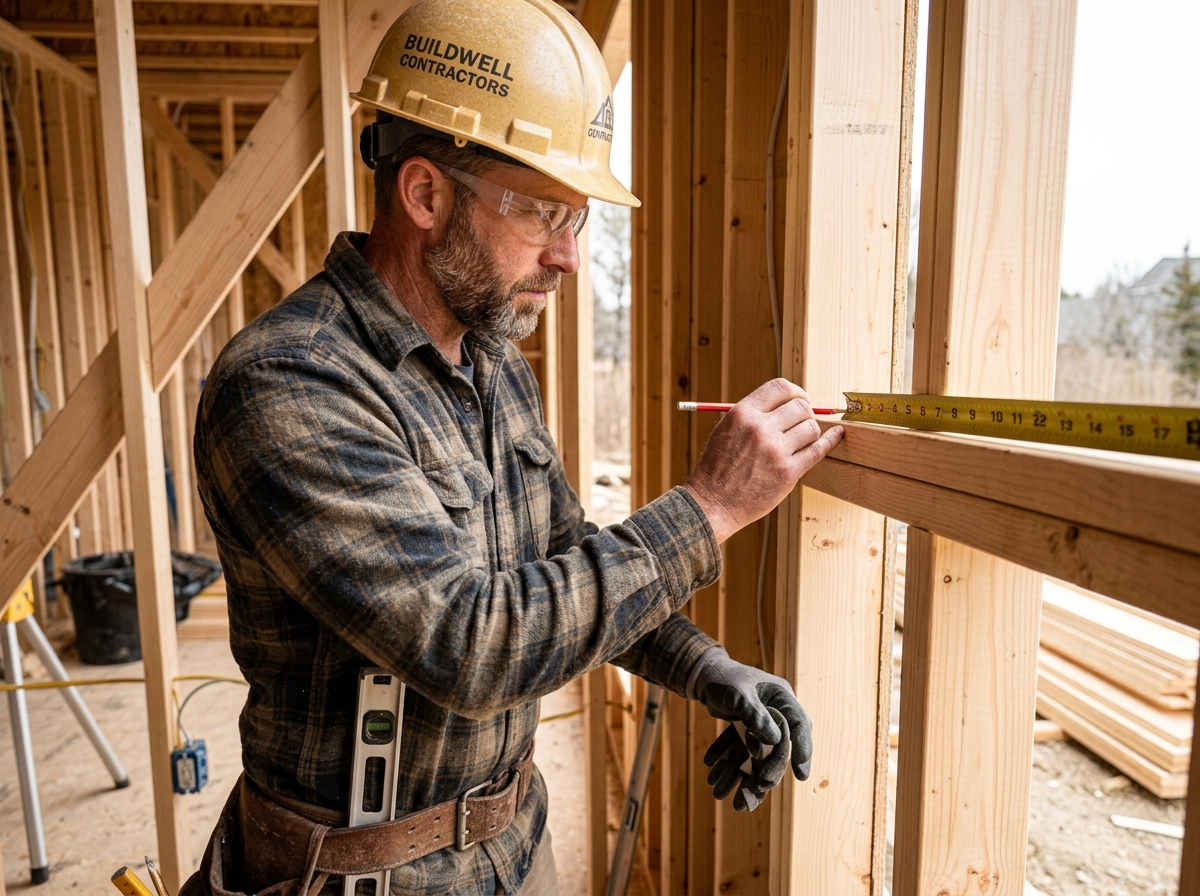
Identifying functional granule loss, asphalt mat bruising, and wind crease failures to justify full roof replacement.
Read Guide →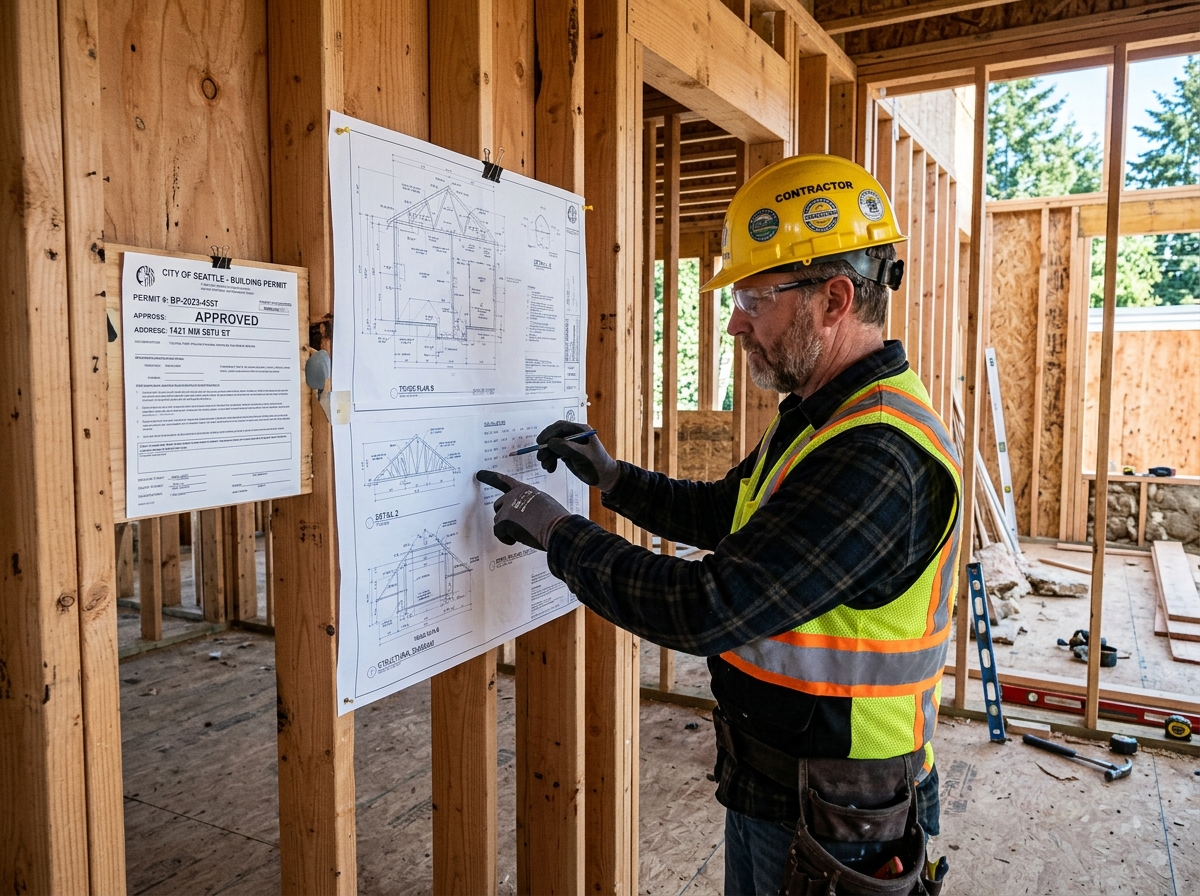
Using 5/8-inch CDX plywood and tension brackets to secure shattered openings without exterior siding damage.
Read Guide →
Securing sealed engineering repair drawings and metal gusset plates for split 2x4 roof chords with city inspectors.
Read Guide →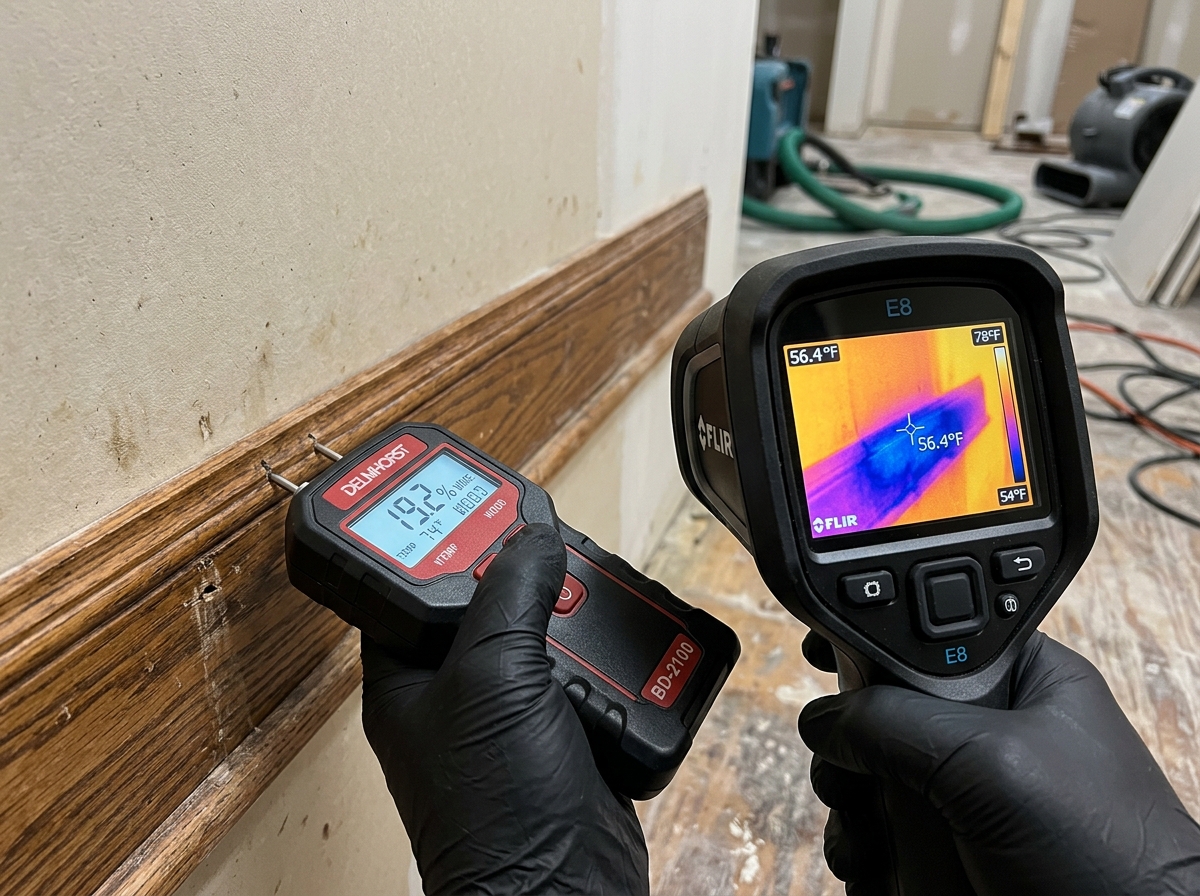
Scaling generator power, desiccant dehumidifiers, and layflat ducting to dry out rain-soaked multi-story properties.
Read Guide →
Click any question to reveal technical procedures and compliance requirements.
A properly installed emergency roof tarp using commercial 10-mil woven poly and wood furring strips screwed into rafters is rated to withstand weather for 90 days. It is intended as temporary mitigation while insurance claims are adjusted and permanent roofing supplies arrive.
Insurers frequently argue that granule loss and shingle cracking are pre-existing age defects. Proper forensic documentation involves test squares, chalking indentations, and documenting spatter marks on metal roof vents to objectively prove recent hail impact.
Yes, if the wind created an opening in the roof or exterior envelope (such as torn shingles or a broken window) through which rain entered. However, water that pools on the ground and seeps under doors is considered rising floodwater and requires separate flood insurance.
No. Fallen trees create dangerous torsion and downward loading on roof trusses. Lifting the tree incorrectly can trigger sudden truss collapse. Structural shoring walls must be erected inside the attic before crane crews remove tree trunks.
Take extensive photographs of all damage before anything is moved, contact a licensed contractor for emergency roof tarping and board-up to prevent secondary water damage, and notify your insurance carrier to open an incident file.
Submit your property damage loss details to our technical team for preliminary analysis and estimate review.
✉️ Submit Incident Details Online →