
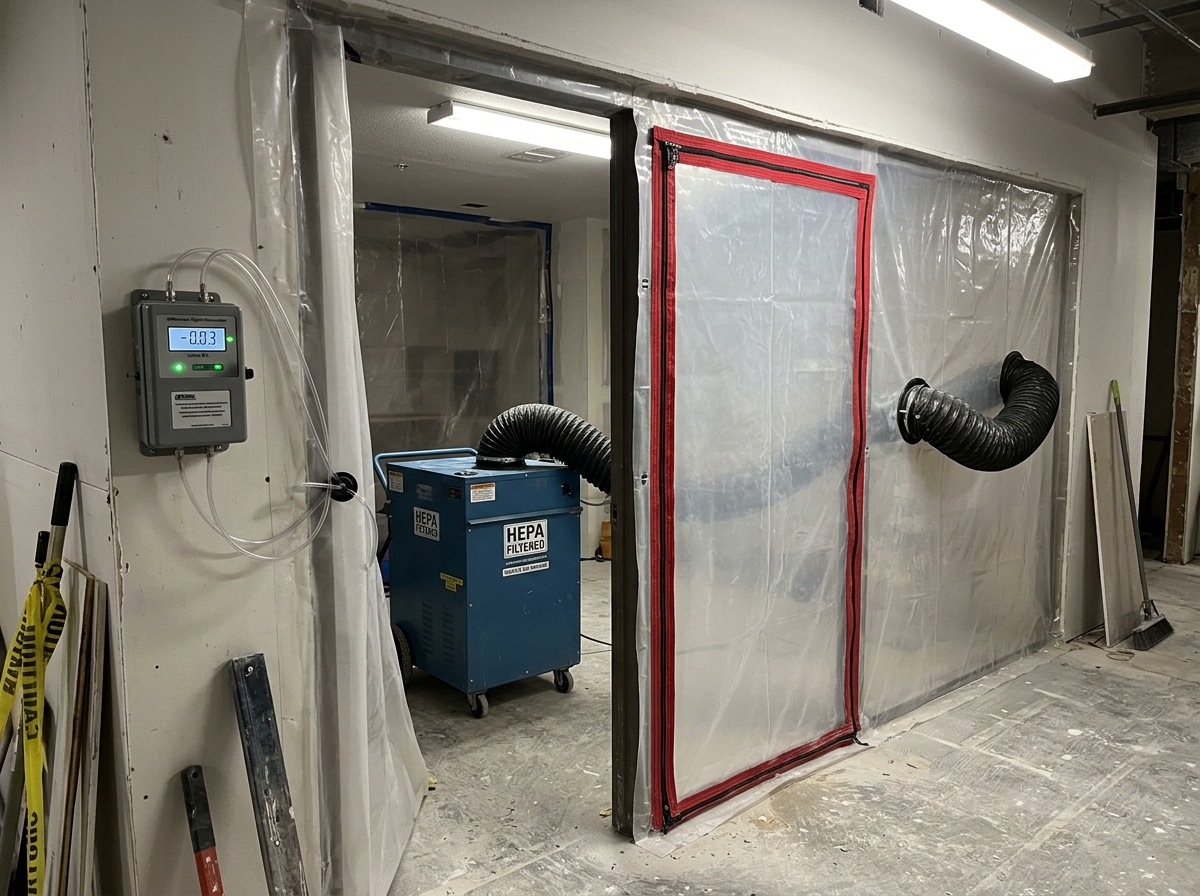
 Containment Science
IICRC S520 Mold Containment Protocols
Setting up critical containment barriers, manometers, and negative air scrubbers to isolate toxic mold spores during remediation.
Read Complete Guide →Scientific protocols for negative air engineering, HEPA particulate capture, toxic mold decontamination, and third-party clearance testing.
The 4-stage systematic workflow applied to every mold remediation crisis response.
Actionable protocols and forensic guides authored by certified industry specialists.
Containment Science
Setting up critical containment barriers, manometers, and negative air scrubbers to isolate toxic mold spores during remediation.
Read Complete Guide →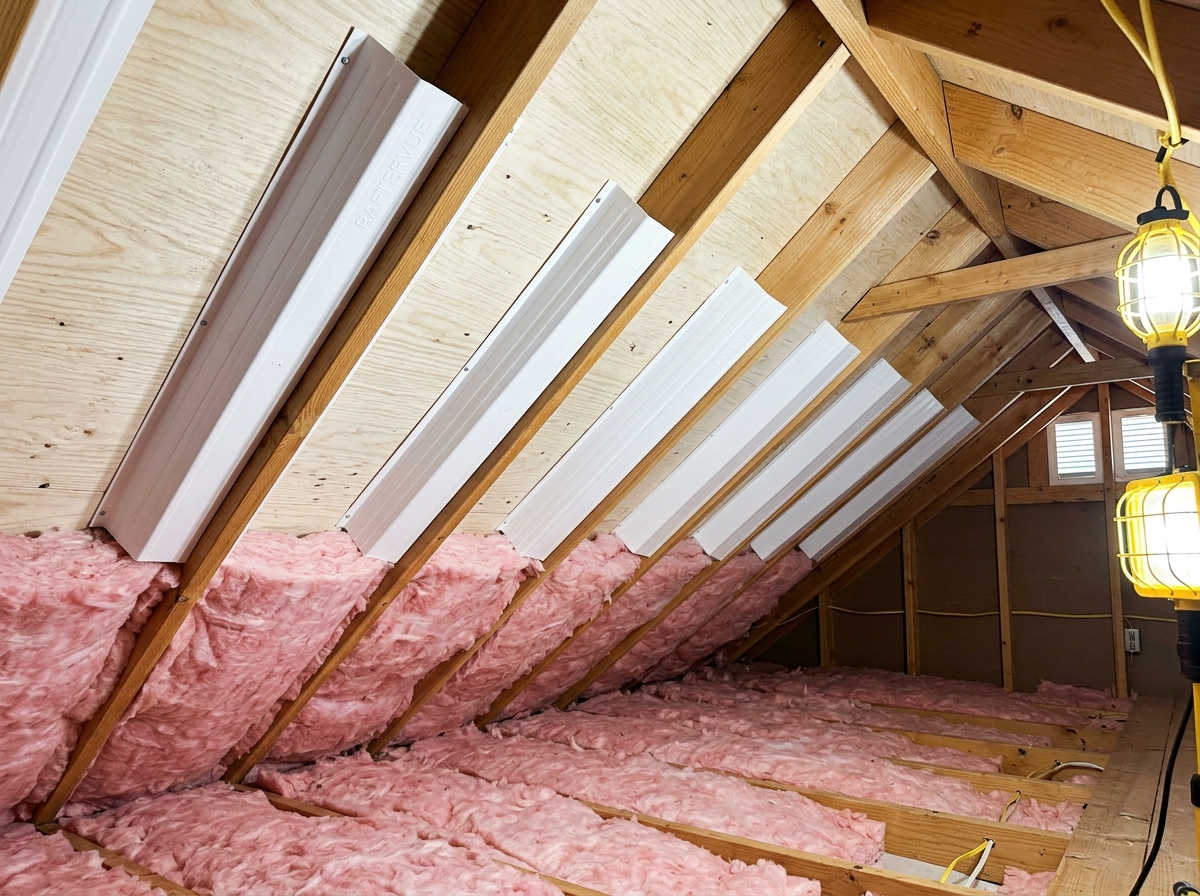 Attic Remediation
Eliminating moisture accumulation in attic trusses, unbaffled soffit vents, and applying biocide barrier sealers.
Read Complete Guide →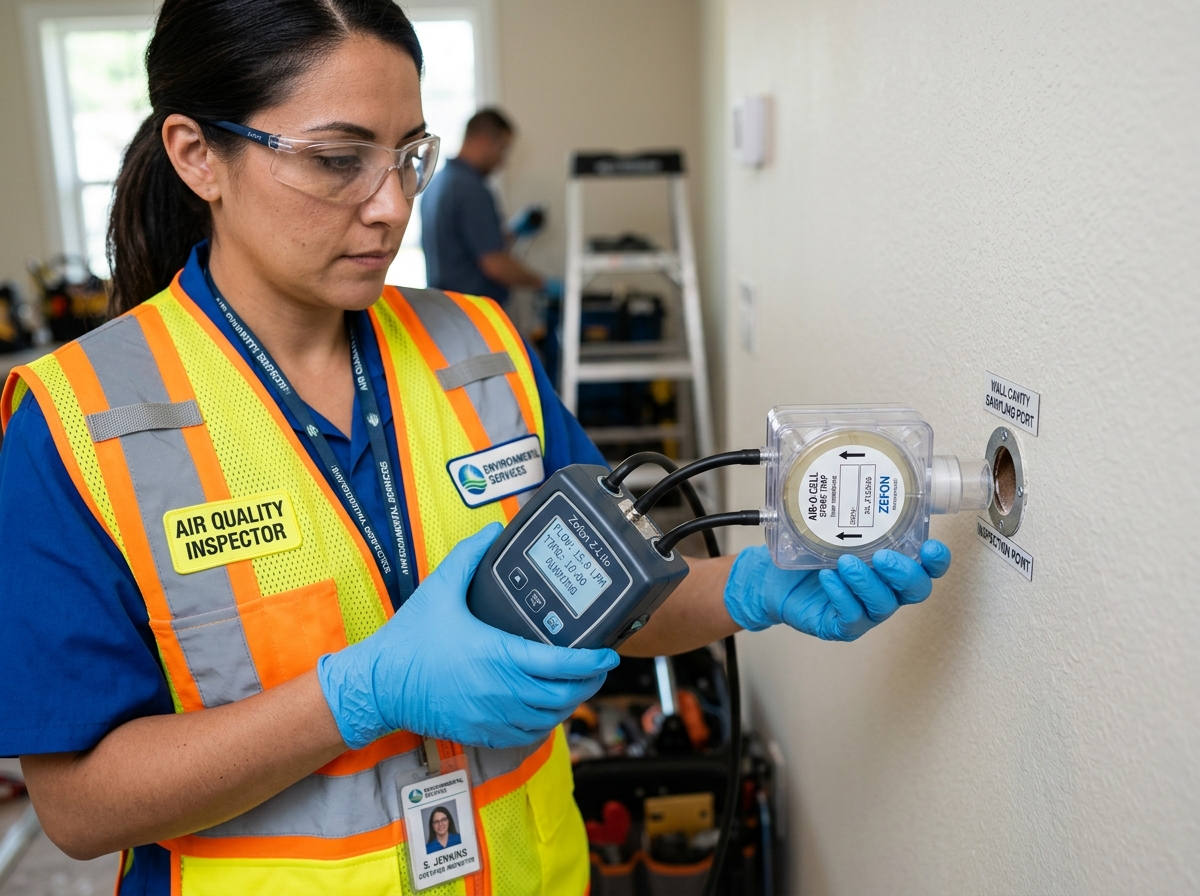 Toxic Mold Strains
Managing macrocyclic trichothecene mycotoxins safely with Level C personal protective equipment (PPE) and HEPA scrubbers.
Read Complete Guide →Essential resources on damage triage, engineering standards, and insurance documentation.
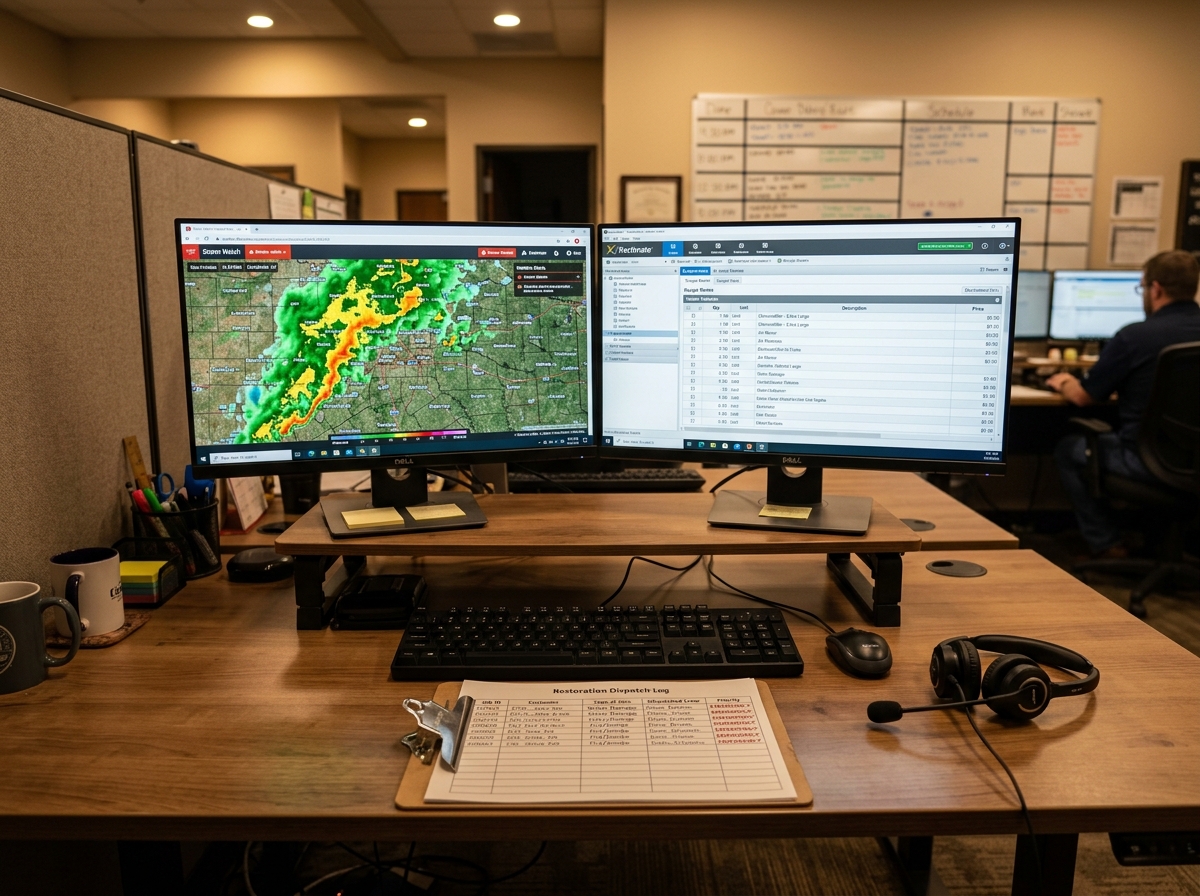
Why third-party hygienist air samples must be passed before containment chambers are disassembled.
Read Guide →
Standards for cleaning mold out of fiberglass duct liners and coil assemblies without dispersing spores into living spaces.
Read Guide →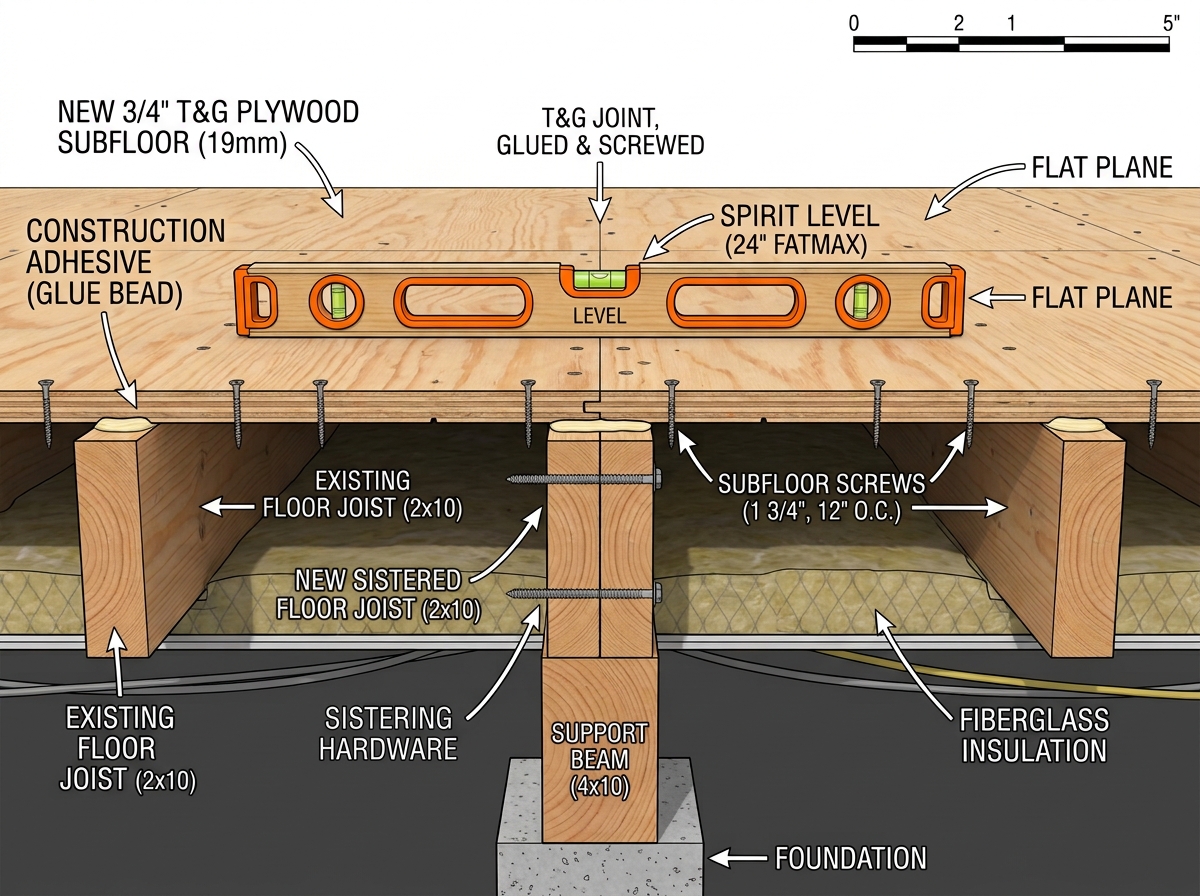
Why cutting drywall 12 to 24 inches above visible moisture stops hidden fungal hyphae in wall cavities.
Read Guide →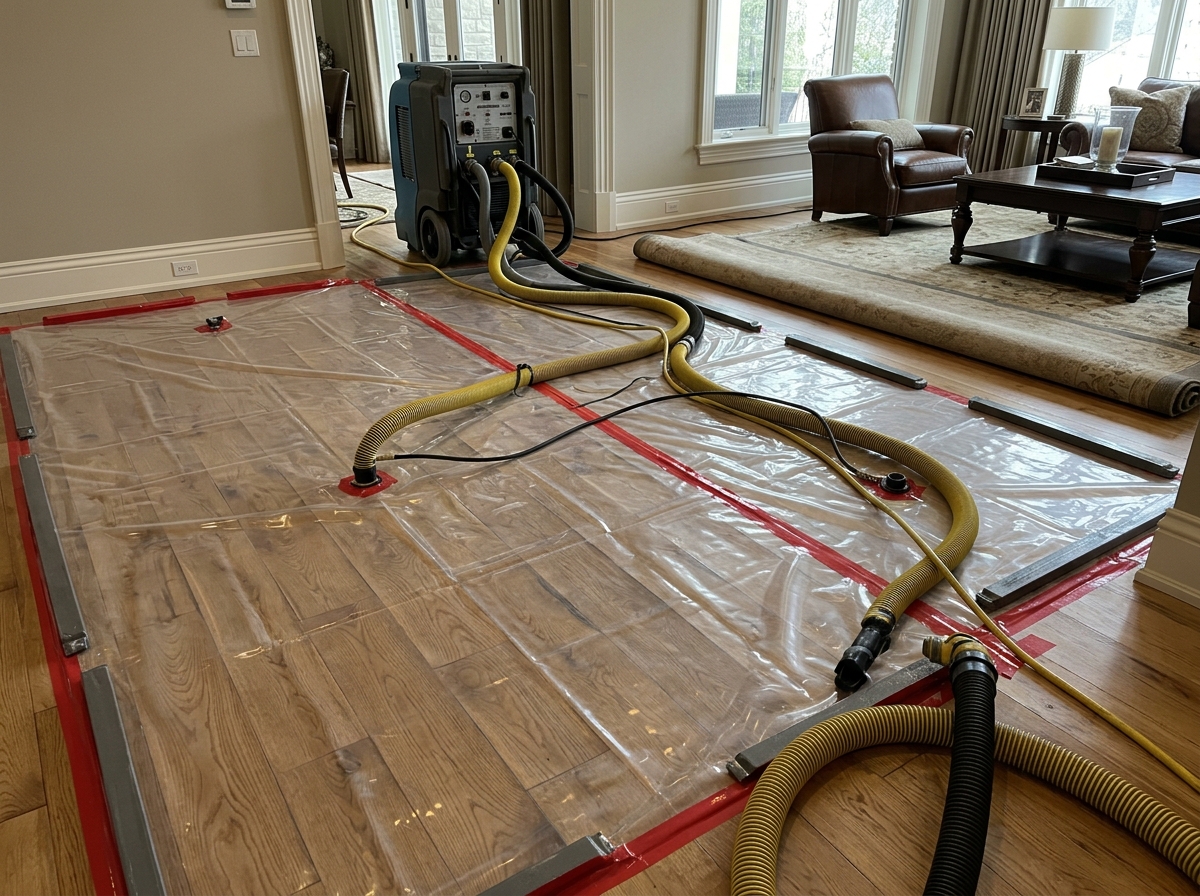
Diagnosing weeping shower pan membranes and rotting structural subfloors under bathroom ceramic tile.
Read Guide →
Click any question to reveal technical procedures and compliance requirements.
No. Bleach is an aqueous solution containing mostly water; the chlorine ion evaporates quickly off porous surfaces while the water soaks into the drywall or wood stud, providing moisture that actually feeds regrowth. Professional remediation requires physical HEPA removal and EPA-registered botanical biocides.
Disturbing dry mold colonies releases millions of microscopic spores into the air. Negative air containment barriers ensure air flows inward into the work zone and exhausts outside through HEPA filters, preventing cross-contamination of clean living areas.
An acceptable post-remediation verification (PRV) test requires that indoor spore counts are lower than or comparable to outdoor baseline air samples, with zero presence of toxic marker species such as Stachybotrys, Chaetomium, or Memnoniella.
Homeowner policies usually cover mold remediation only if it is the direct result of a covered sudden peril (such as a burst pipe). Most policies include a standard $5,000 or $10,000 mold coverage cap unless a specific endorsement was purchased.
Both use HEPA filtration, but an air scrubber recirculates air inside the room to clean it, whereas a negative air machine ducts air outside to create lower atmospheric pressure within the containment chamber.
Submit your property damage loss details to our technical team for preliminary analysis and estimate review.
✉️ Submit Incident Details Online →