Benson Restoration and Construction Inc.

TECHNICAL RESTORATION & CLAIMS PORTAL Lic #CGC1529841 | IICRC Master Certified #89241
Claims & Dispatch Desk: Online Inquiry Portal

Home / Guidance Portals / Water Damage Restoration

IICRC S500 Standard for Professional Water Damage Restoration

Water Damage Restoration & Prevention Guidance

Comprehensive psychrometric drying protocols, Category 1–3 contamination mitigation, cavity moisture mapping, and insurance documentation to restore your property safely.

Critical Response Timeline

The 4-Stage Structural Drying Protocol

Water moves rapidly through porous drywall, subflooring, and framing. Follow this proven scientific sequence:

01

Source Stoppage & Extraction

Shut off the main supply and perform heavy physical water extraction. Physical extraction is 1200x faster than evaporation.

02

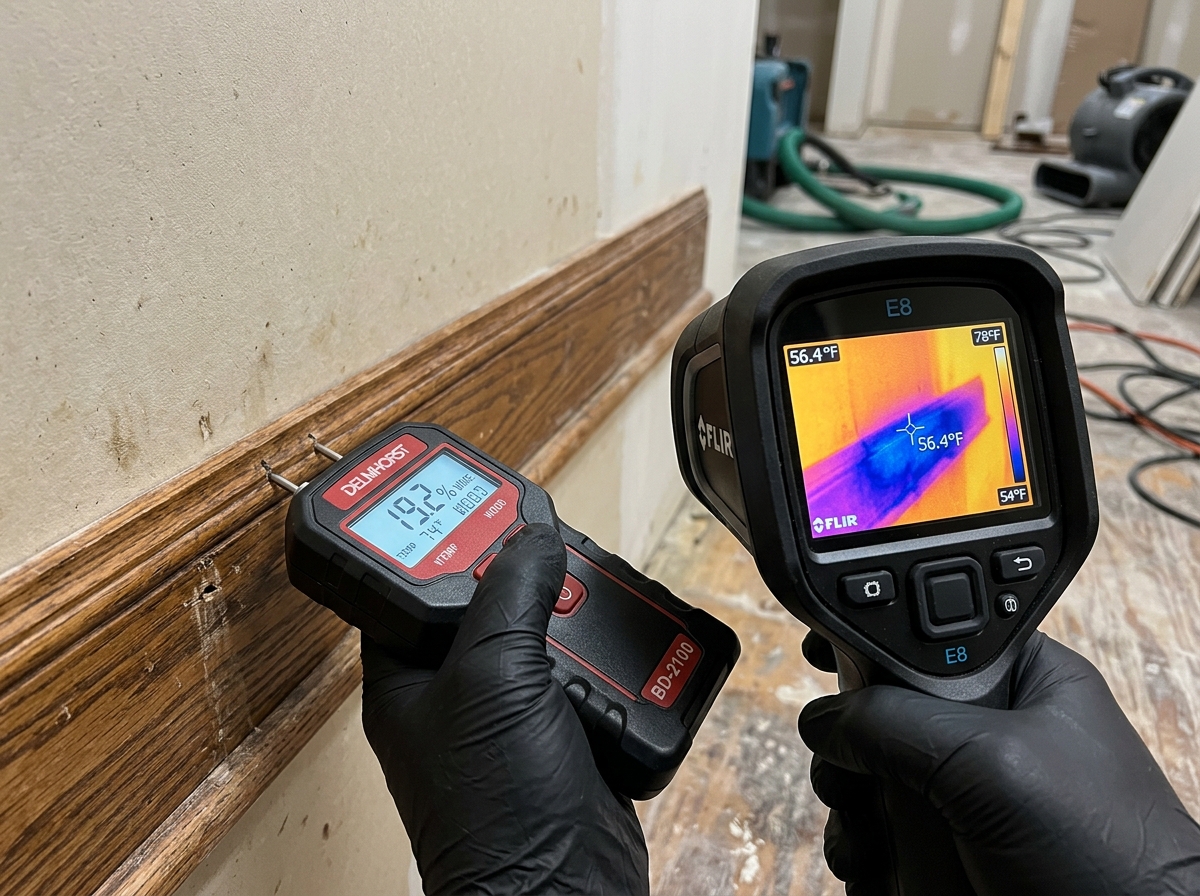
Moisture Mapping & Thermal Scan

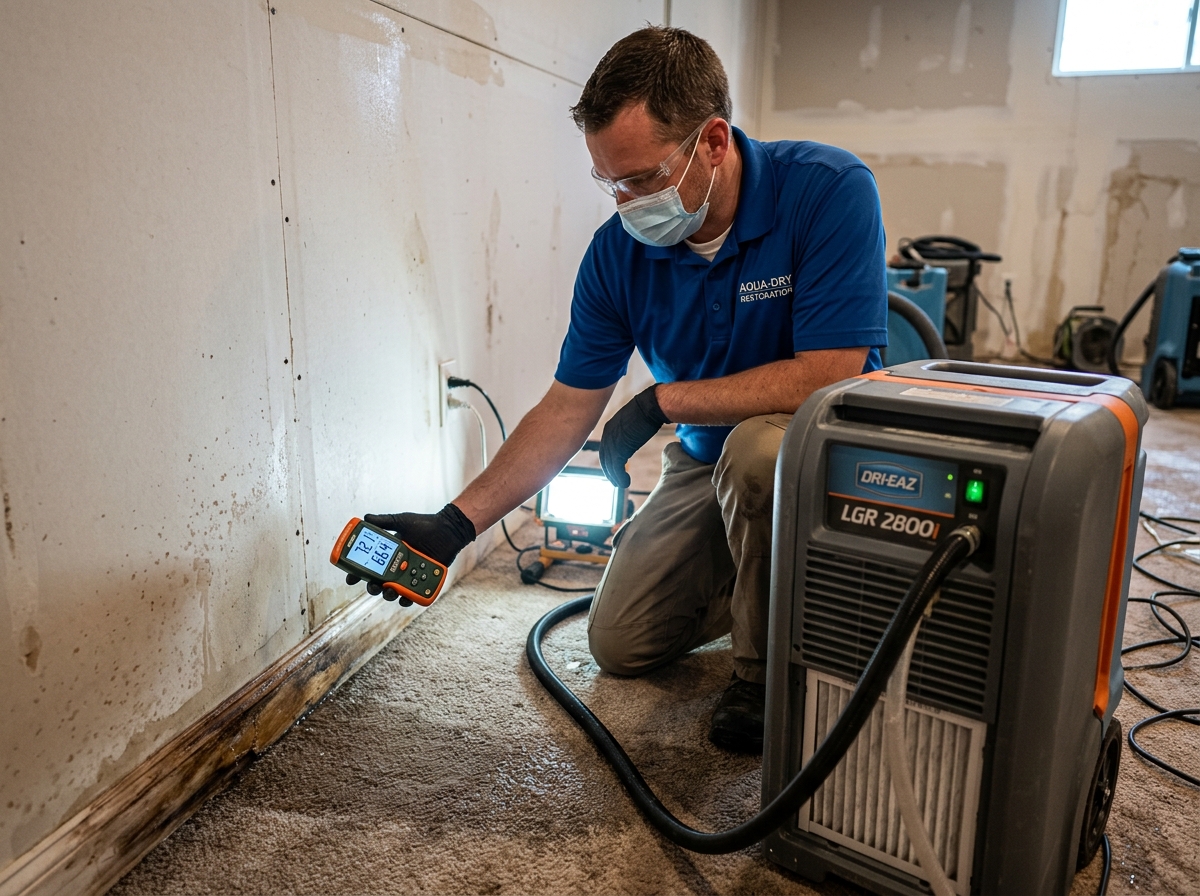
Map hidden wet boundaries inside baseboards, plaster, and subfloors using FLIR infrared thermography and penetrative pin meters.

03

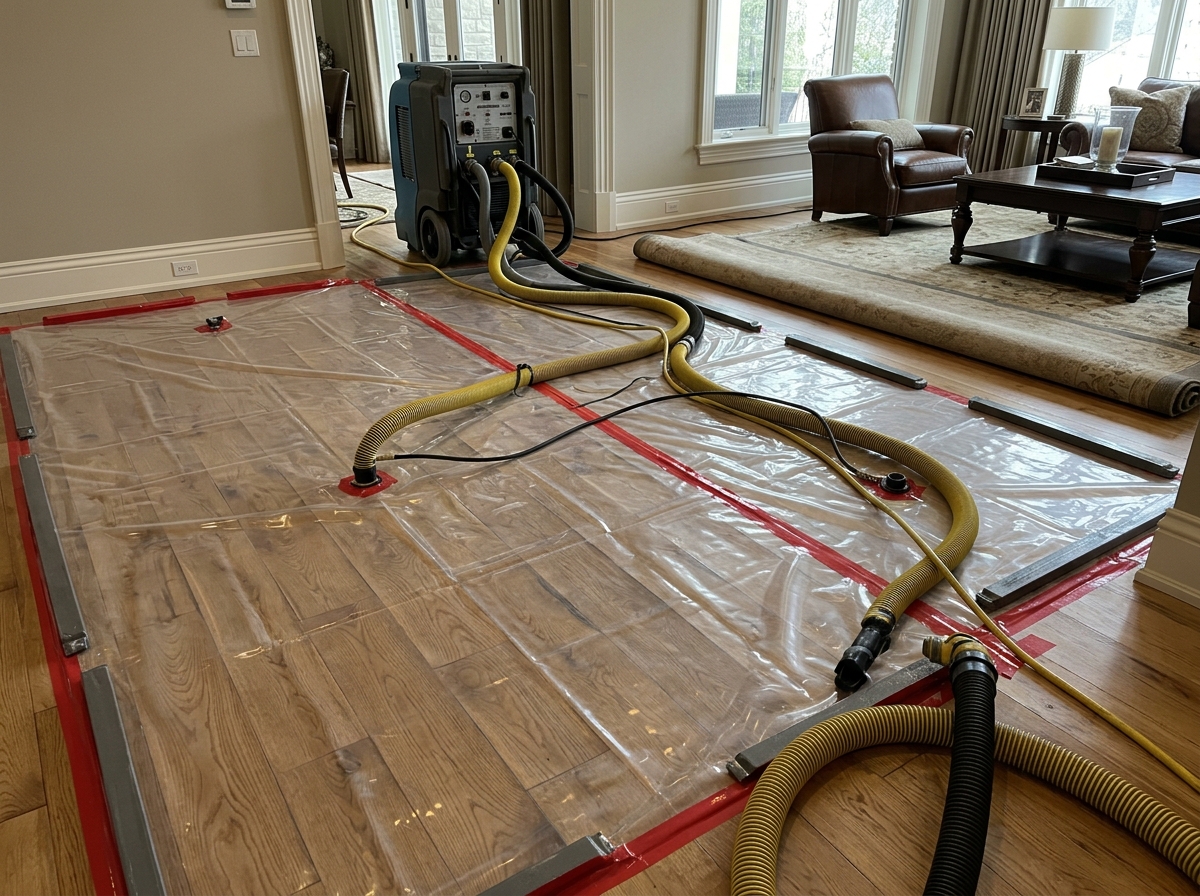
Psychrometric LGR Dehumidification

Place Low-Grain Refrigerant (LGR) dehumidifiers and high-velocity axial air movers to optimize vapor pressure differentials.

04

Dry Standard Verification

Monitor Grain Depression daily until structural framing reaches baseline dry standards (under 12–15% Wood Moisture Equivalent).

Practical Homeowner Tutorials

Related Water Damage & Prevention Guides

Step-by-step homeowner guidance on appliance leaks, basement flooding, and plumbing pipe bursts.

Basement Flooding

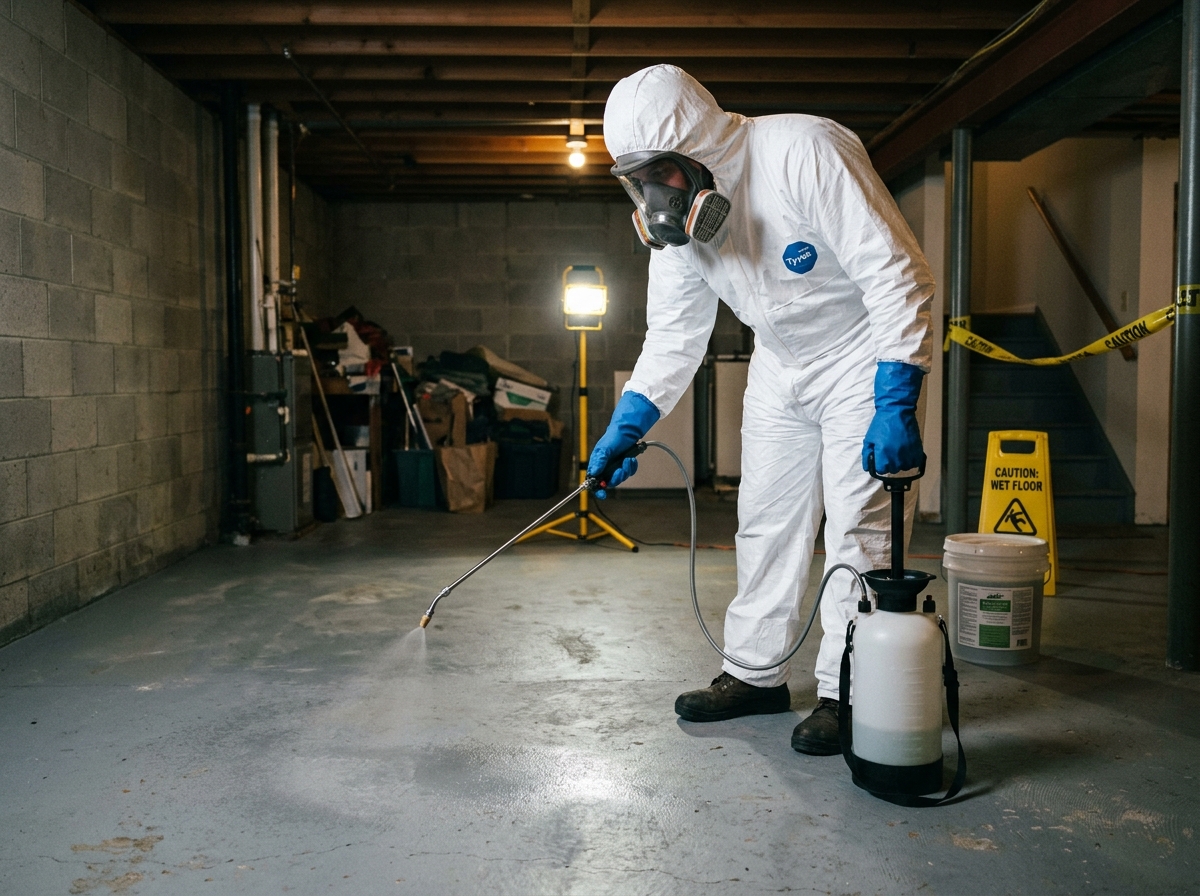
Sump Pump Failure: Immediate Steps to Salvage Finished Basements

How to sanitize concrete slabs, replace wet perimeter carpet tack strips, and prevent foundation seepage.

By Marcus Whitfield • 6 min read

Read Guide →

Wall Cavities

Hidden Drywall Moisture: How to Use Thermal Cameras & Moisture Meters

Identifying cold-spot thermal anomalies behind painted drywall and testing fiberglass insulation saturation.

By Marcus Whitfield • 7 min read

Read Guide →

Burst Pipes

Frozen Pipe Thawing & Rupture Mitigation: Preventing Ceiling Collapses

Relieving hydraulic pressure, controlled ceiling drainage, and structural shoring under saturated drywall.

By Elena Castillo • 8 min read

Read Guide →

Crawlspace Care

Crawlspace Encapsulation & Standing Water Dehumidification

20-mil vapor barrier installation, drainage trenches, and commercial crawlspace dehumidifier sizing.

By Marcus Whitfield • 9 min read

Read Guide →

Appliance Leaks

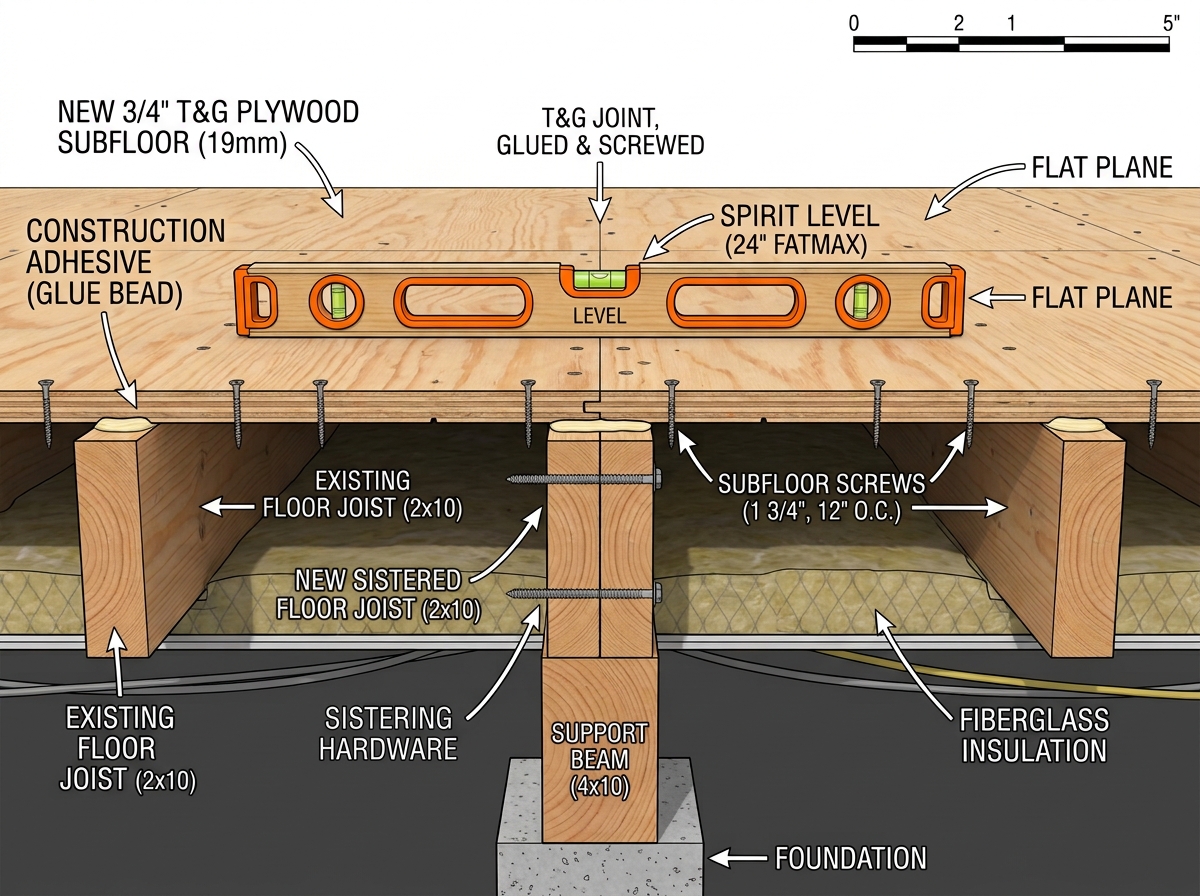
Dishwasher & Water Heater Leaks: Subfloor Delamination Risks

Testing OSB vs. plywood subflooring for swelling, edge lifting, and microbial growth underneath cabinetry.

By Elena Castillo • 7 min read

Read Guide →

Insurance Scope

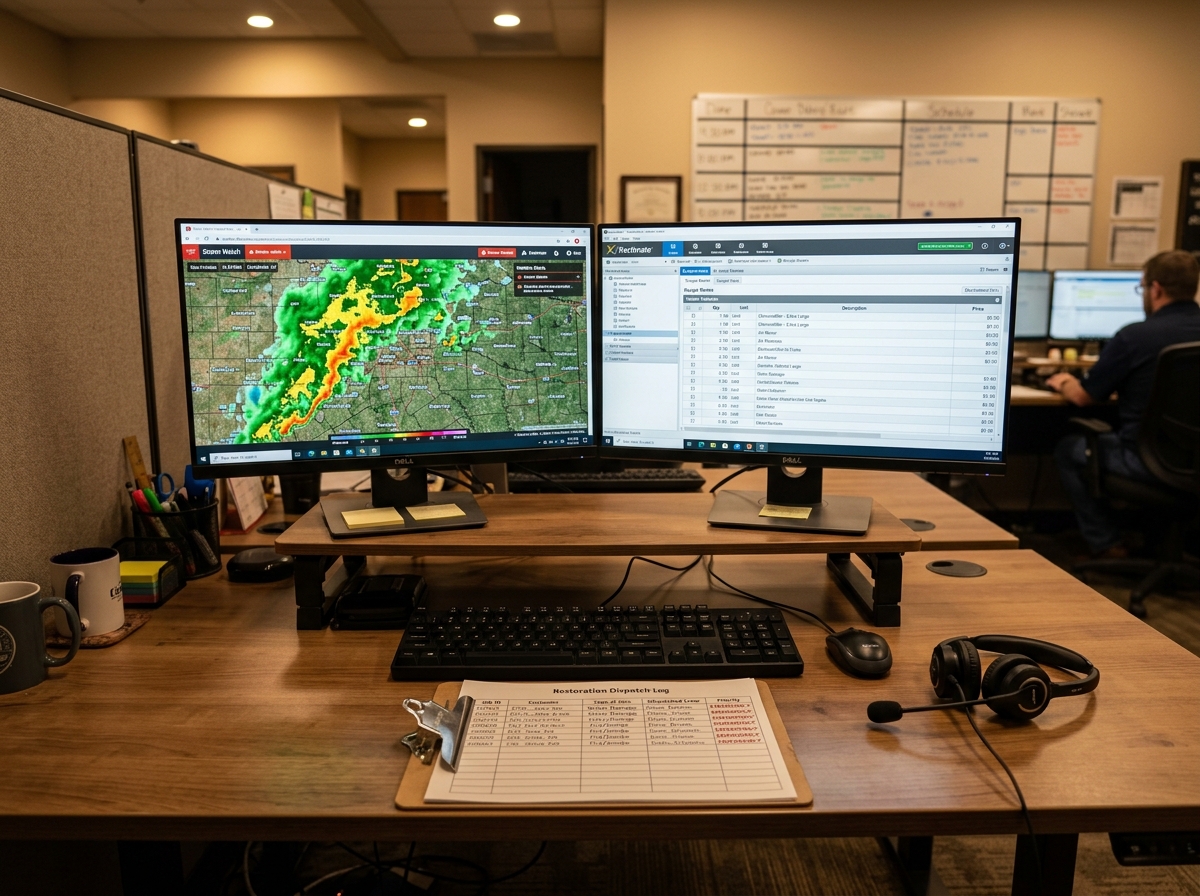
Documenting Water Damage for Your Adjuster: Daily Drying Logs

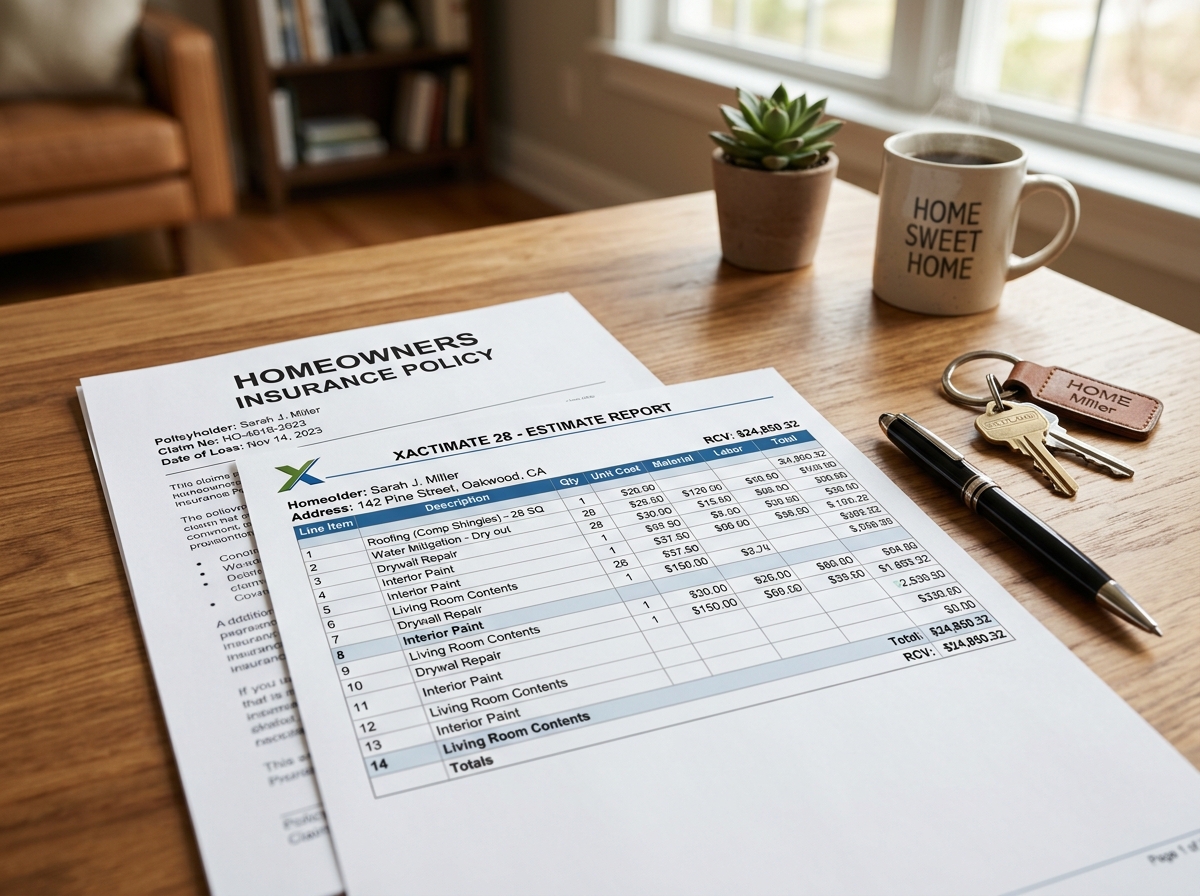
Why insurance carriers require psychrometric chamber logs to approve drying equipment line items.

By Elena Castillo • 10 min read

Read Guide →

MW
Category Editor

Marcus Whitfield

Marcus is Benson Restoration’s Lead Restoration Specialist & Technical Editor. He holds master credentials in IICRC Water Damage Restoration (WRT) and Applied Structural Drying (ASD), overseeing field mitigation protocols across hundreds of residential crisis responses.

IICRC Master Restorer
Psychrometric Drying Certified
Read Full Author Credentials →

Frequently Asked Questions

Water Damage Restoration FAQs

How long does it typically take to dry out a water-damaged house?

Under professional IICRC S500 standards with commercial LGR dehumidifiers and axial air movers, typical drywall and framing dry out in 3 to 5 days. Dense materials like concrete slabs and hardwood flooring may require 5 to 7 days using specialized containment mats.

Can carpet and carpet padding be saved after water damage?

If the water is Category 1 (clean supply line) and extracted within 24–48 hours, carpet can usually be sanitized and saved; however, carpet pad is almost always removed and replaced because its open-cell foam structure traps moisture and contaminants.