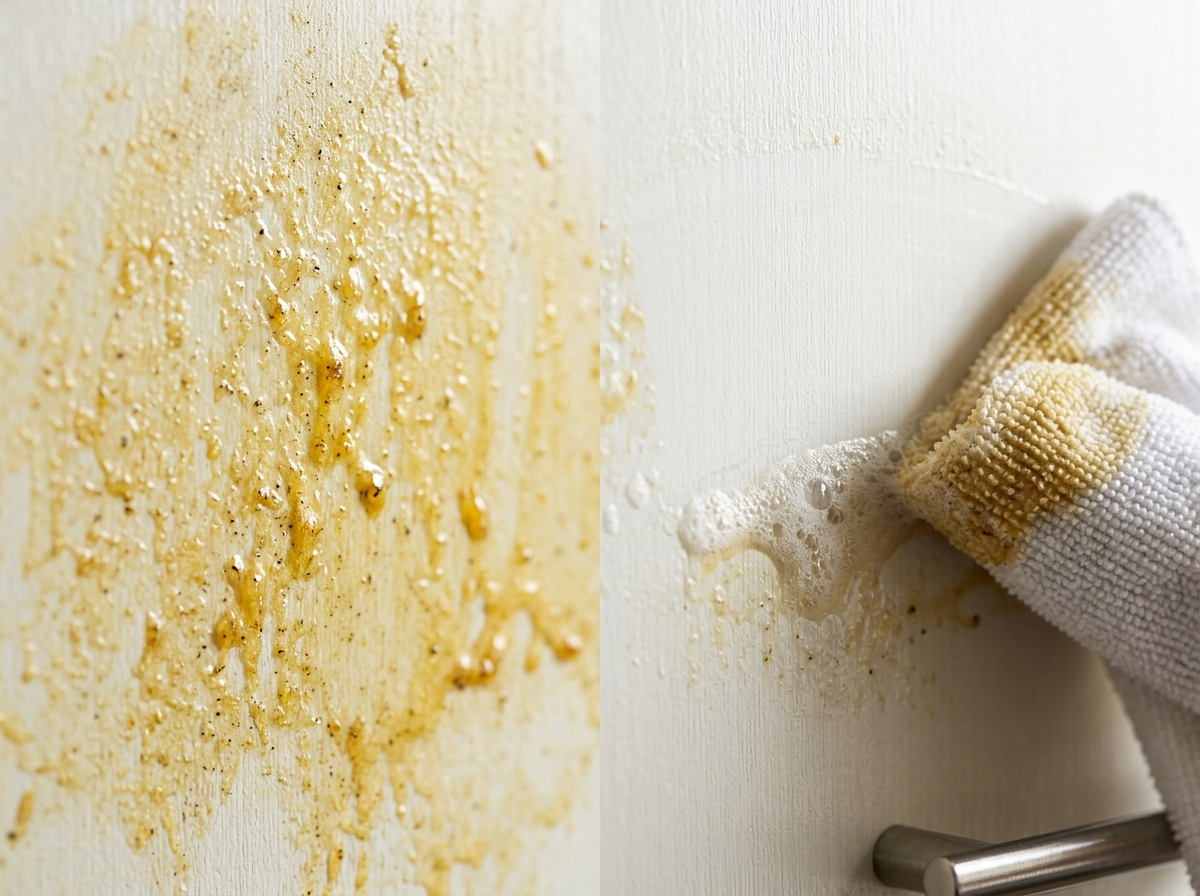
 Chemical Neutralization
Protein Soot vs. Synthetic Soot Cleaning
The chemical differences between invisible grease soot and pungent plastic smoke, and how to decontaminate surfaces permanently.
Read Complete Guide →Scientific soot removal frameworks, structural char depth assessment, thermal fogging, and non-toxic atmospheric odor oxidation protocols.
The 4-stage systematic workflow applied to every fire & smoke damage crisis response.
Actionable protocols and forensic guides authored by certified industry specialists.
Chemical Neutralization
The chemical differences between invisible grease soot and pungent plastic smoke, and how to decontaminate surfaces permanently.
Read Complete Guide →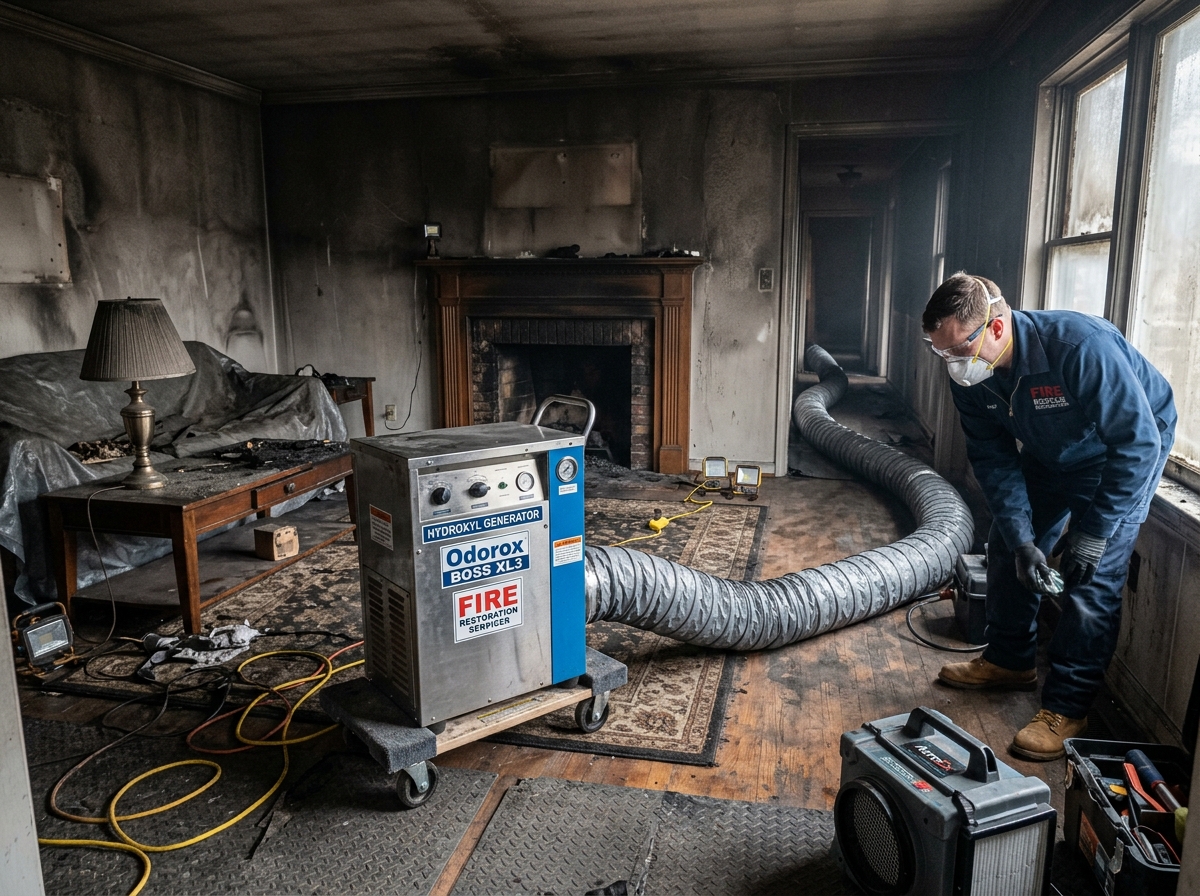 Atmospheric Safety
Why safe 3-wavelength atmospheric hydroxyl technology allows occupants to remain home during soot neutralization.
Read Complete Guide →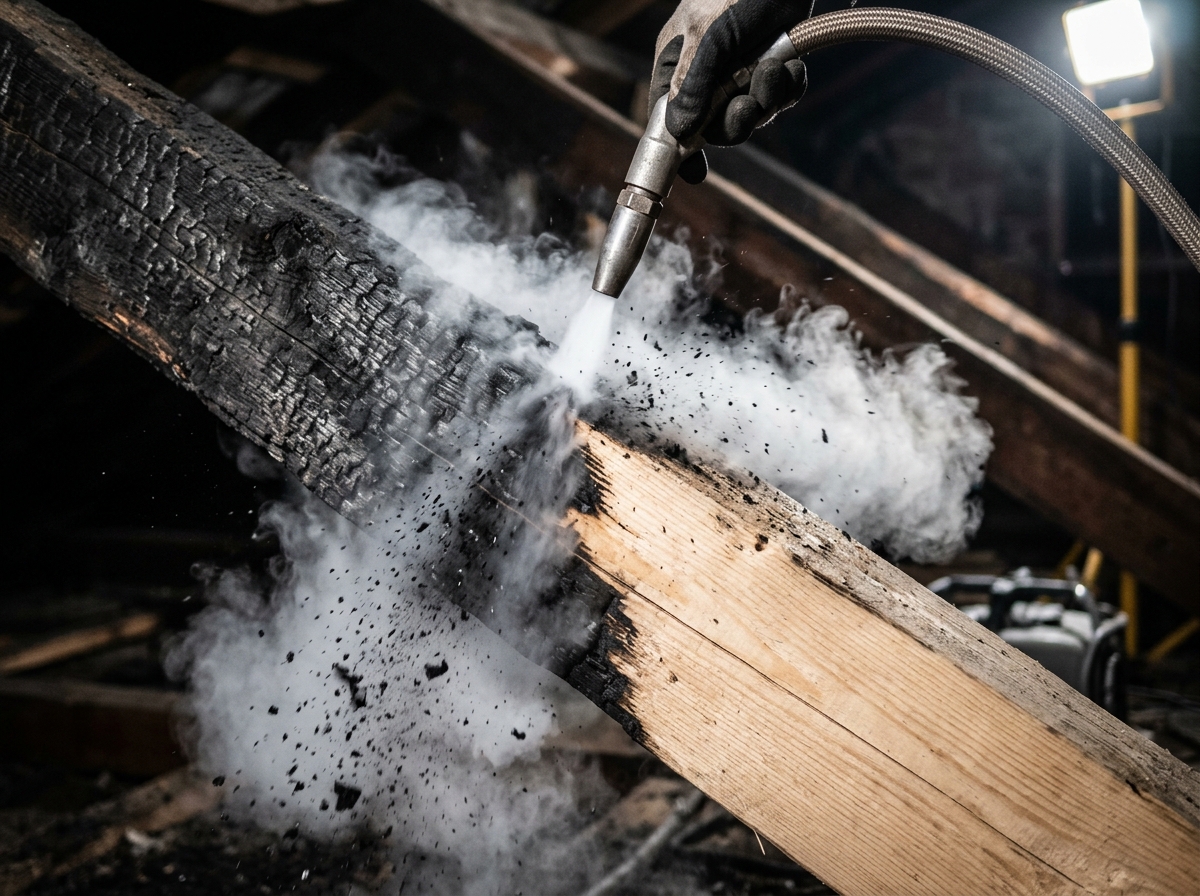 Structural Framing
Measuring loss of structural cross-section in charred wood studs and using non-destructive cryogenic blasting.
Read Complete Guide →Essential resources on damage triage, engineering standards, and insurance documentation.
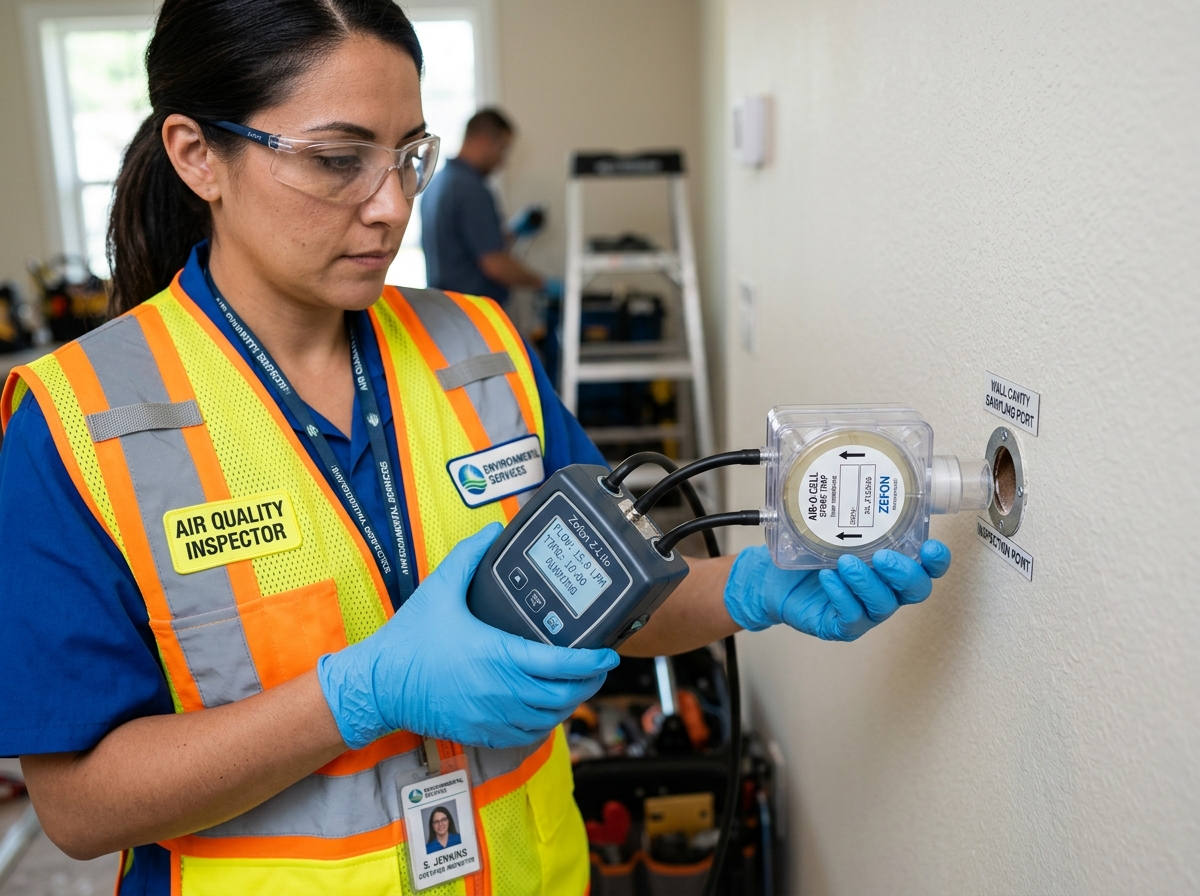
Why smoke-contaminated duct liners require encapsulation and negative pressure HEPA filtration.
Read Guide →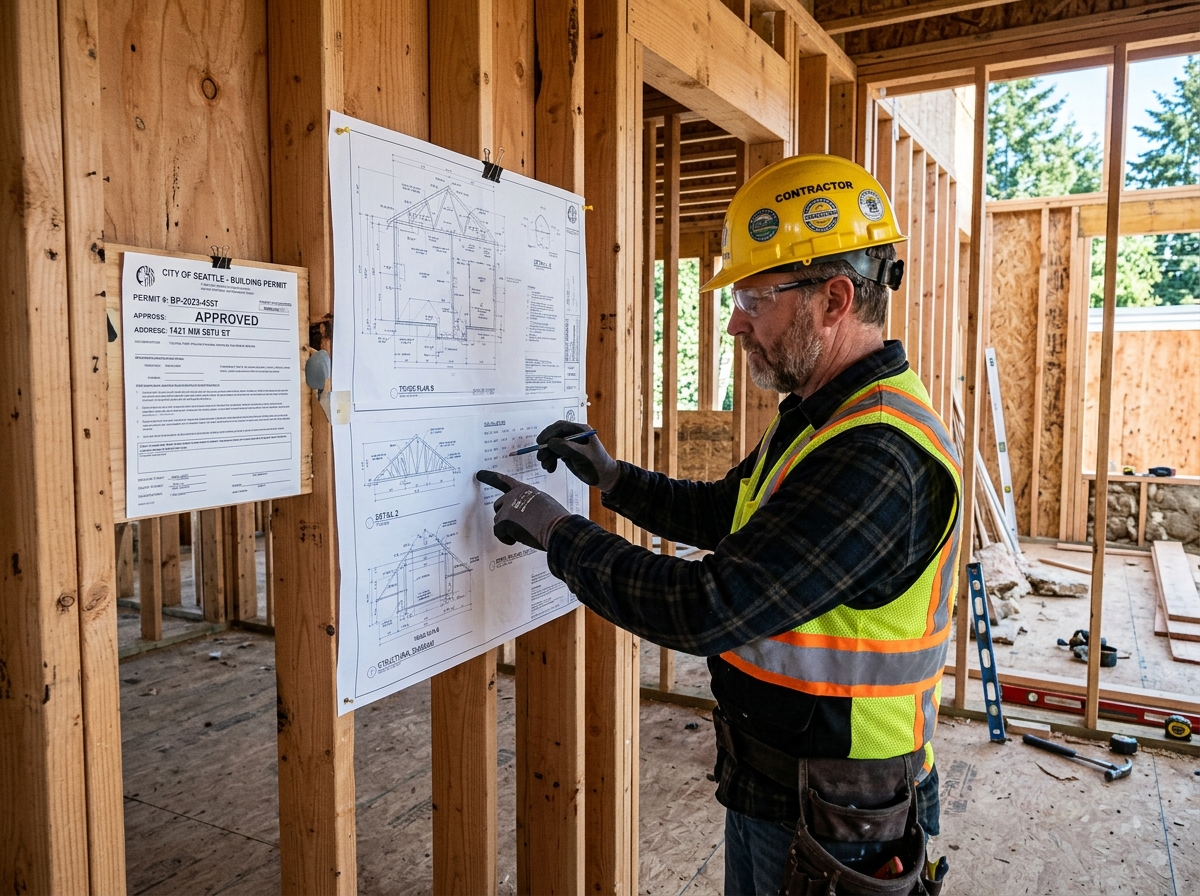
How acidic combustion residue pits copper conductors and triggers electrical fire hazards weeks after a blaze.
Read Guide →
How -109°F dry ice pellets sublimate on contact, stripping char without leaving tons of secondary abrasive dust.
Read Guide →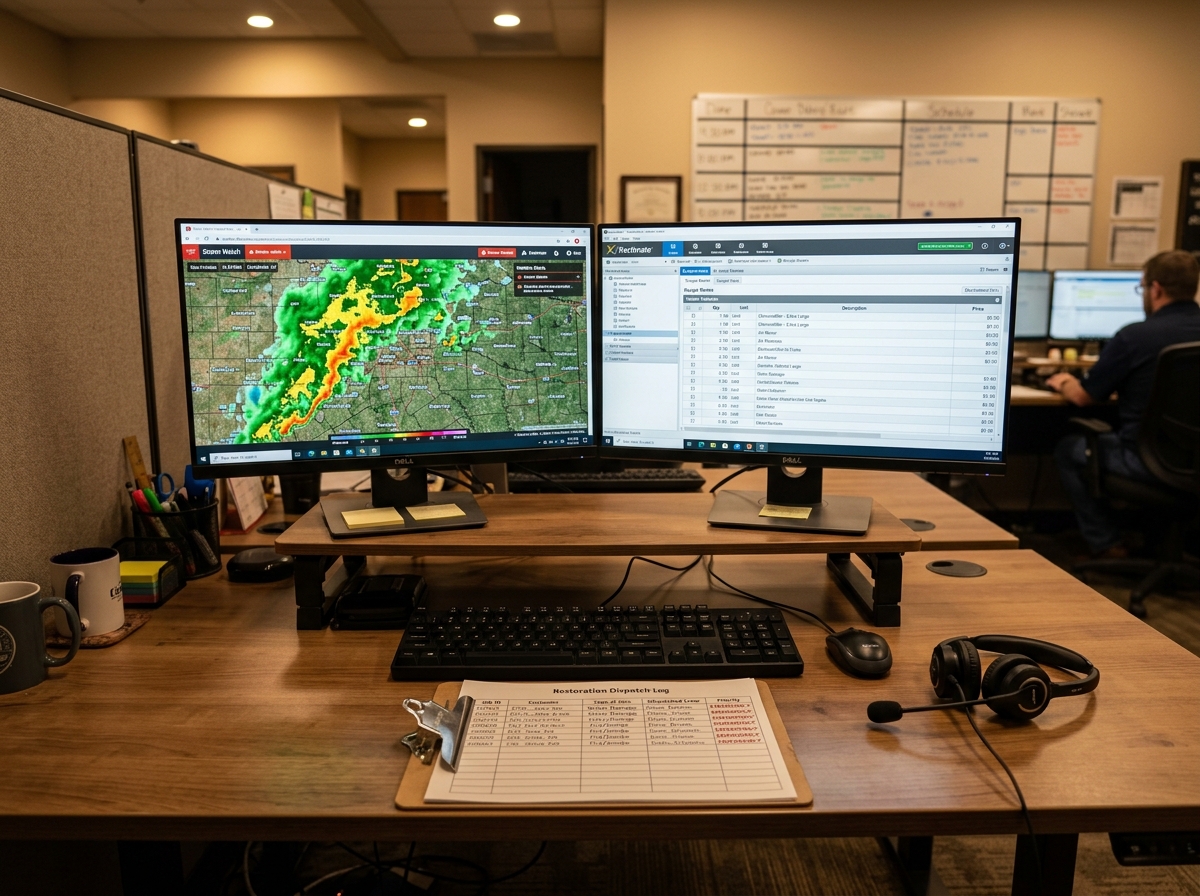
Restoring high-end clothing, drapery, and family heirlooms using commercial restoration dry-cleaning.
Read Guide →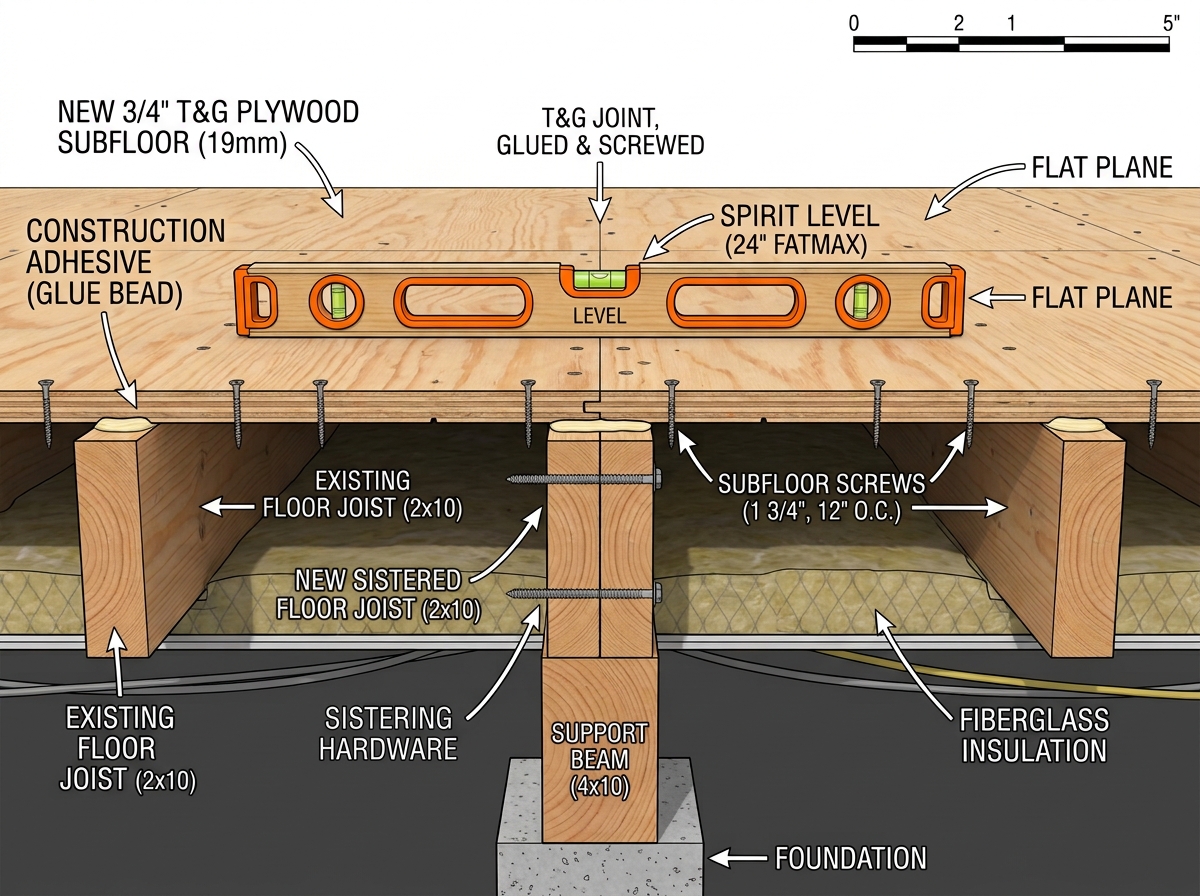
Why alcohol-based shellac is the only bulletproof barrier against lingering volatile organic smoke vapors.
Read Guide →
How itemizing serial numbers and pre-loss conditions recovers full Replacement Cost Value (RCV) from adjusters.
Read Guide →
Click any question to reveal technical procedures and compliance requirements.
No. Applying paint directly over soot causes severe bubbling, peeling, and allows acidic volatile organic compounds (VOCs) to bleed through indefinitely. Surfaces must first be chemically neutralized, dry-sponge cleaned, and sealed with a heavy pigmented shellac primer.
Protein fire soot is almost completely invisible to the naked eye, leaving an amber, sticky residue rather than black ash. Despite being invisible, it has an intense rancid odor that corrodes stainless steel and brass finishes if not chemically degreased immediately.
Ozone is a toxic oxidizer that breaks down natural rubber, plastics, and requires that all humans and pets evacuate the property. Hydroxyl generators safely replicate natural sunlight atmospheric radicals and can run 24/7 in fully occupied homes.
Wood studs with minor surface char depth (less than 1/4 inch) can typically be restored using dry ice blasting to sound wood and sealed with structural encapsulant. If structural calculations indicate more than 10% load capacity loss, framing must be sistered or replaced.
Yes. Structural smoke cleanup, HVAC decontamination, and inventory pack-out are standard covered expenses under residential HO-3 fire coverage. Proper documentation includes swab sampling, thermal imaging, and Xactimate line-item estimates.
Submit your property damage loss details to our technical team for preliminary analysis and estimate review.
✉️ Submit Incident Details Online →