
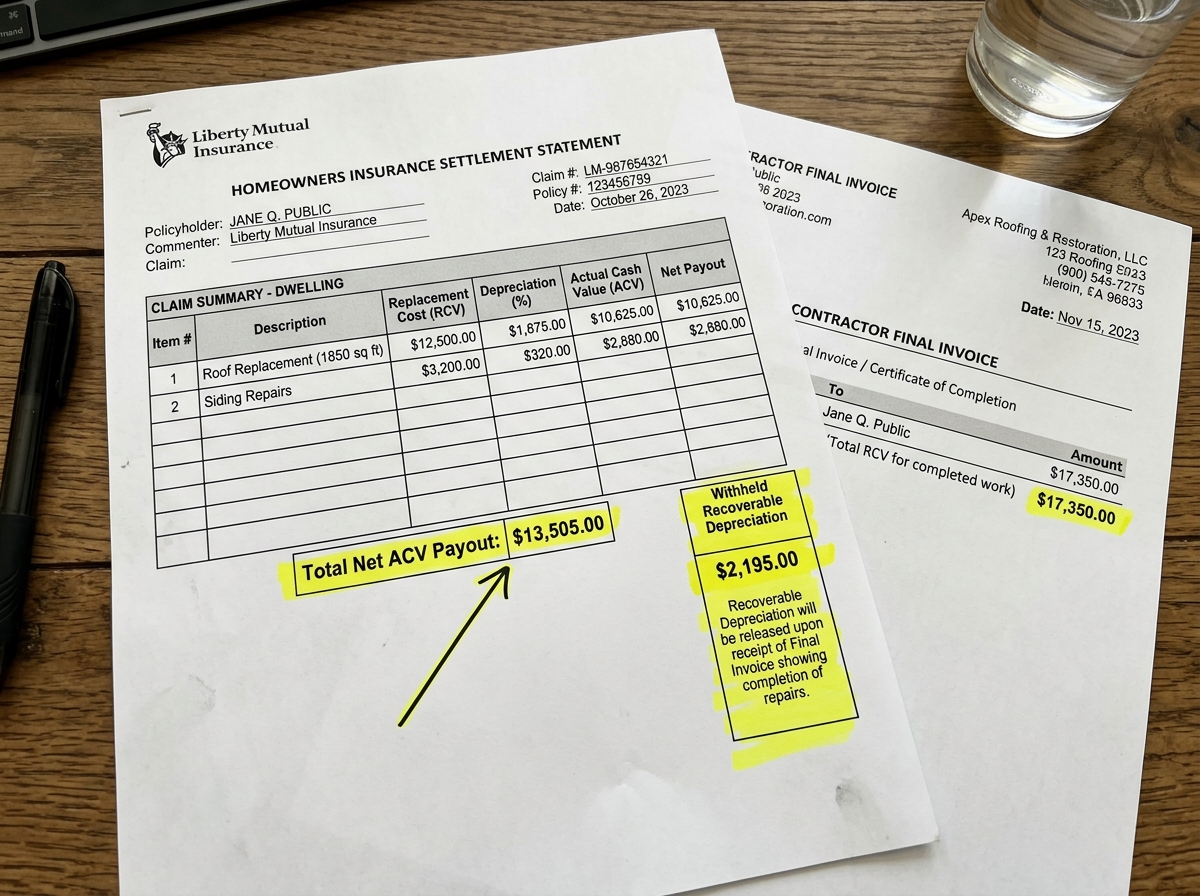
 Depreciation Strategy
ACV vs. RCV: Claiming Withheld Depreciation
A tactical step-by-step breakdown of recovering held-back depreciation funds before the 180–365 day policy deadline expires.
Read Complete Guide →Recovering withheld depreciation, auditing Xactimate estimate line items, invoking policy appraisal clauses, and disputing insurer lowball settlements.
The 4-stage systematic workflow applied to every insurance & claims crisis response.
Actionable protocols and forensic guides authored by certified industry specialists.
Depreciation Strategy
A tactical step-by-step breakdown of recovering held-back depreciation funds before the 180–365 day policy deadline expires.
Read Complete Guide →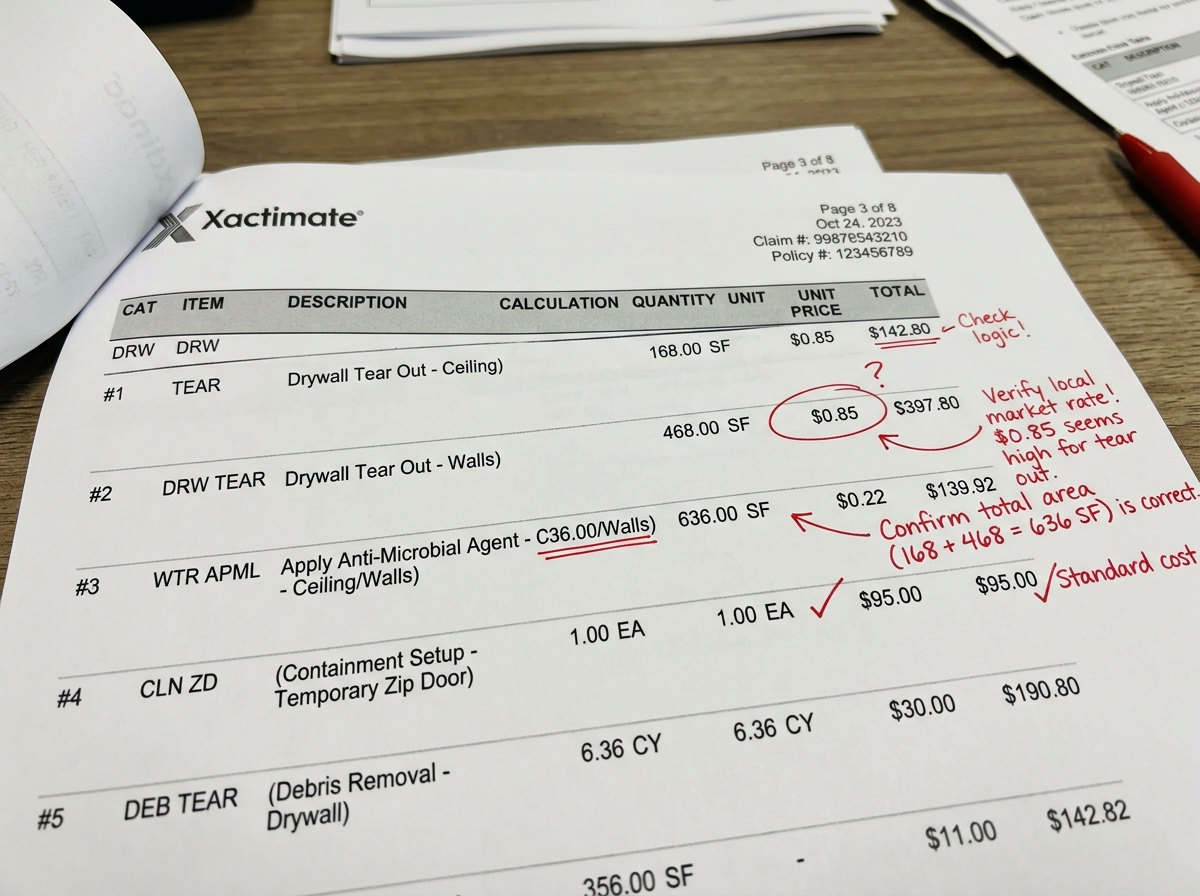 Software Line Items
How adjusters exclude critical items like containment barriers, floor protection, haul-off fees, and Overhead & Profit.
Read Complete Guide → Dispute Resolution
How to invoke the statutory appraisal clause in your homeowner policy to bypass bad-faith adjuster offers without litigation.
Read Complete Guide →Essential resources on damage triage, engineering standards, and insurance documentation.

How to track displacement meal receipts, temporary utility bills, and short-term rental leases for full carrier payout.
Read Guide →
Writing exact model numbers, serial numbers, and condition notes to prevent blanket depreciation reductions.
Read Guide →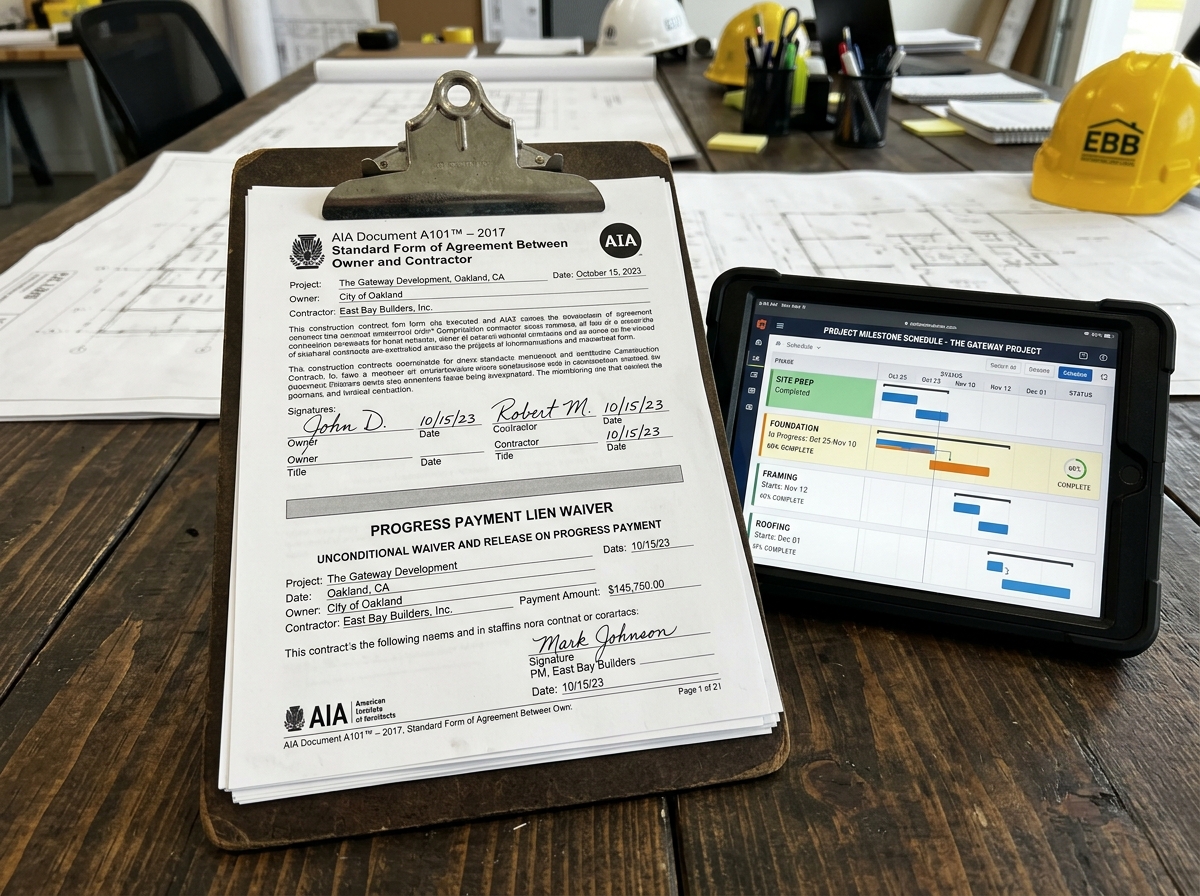
Understanding the legal difference between assigning your full claim vs. granting direct contractor billing authority.
Read Guide →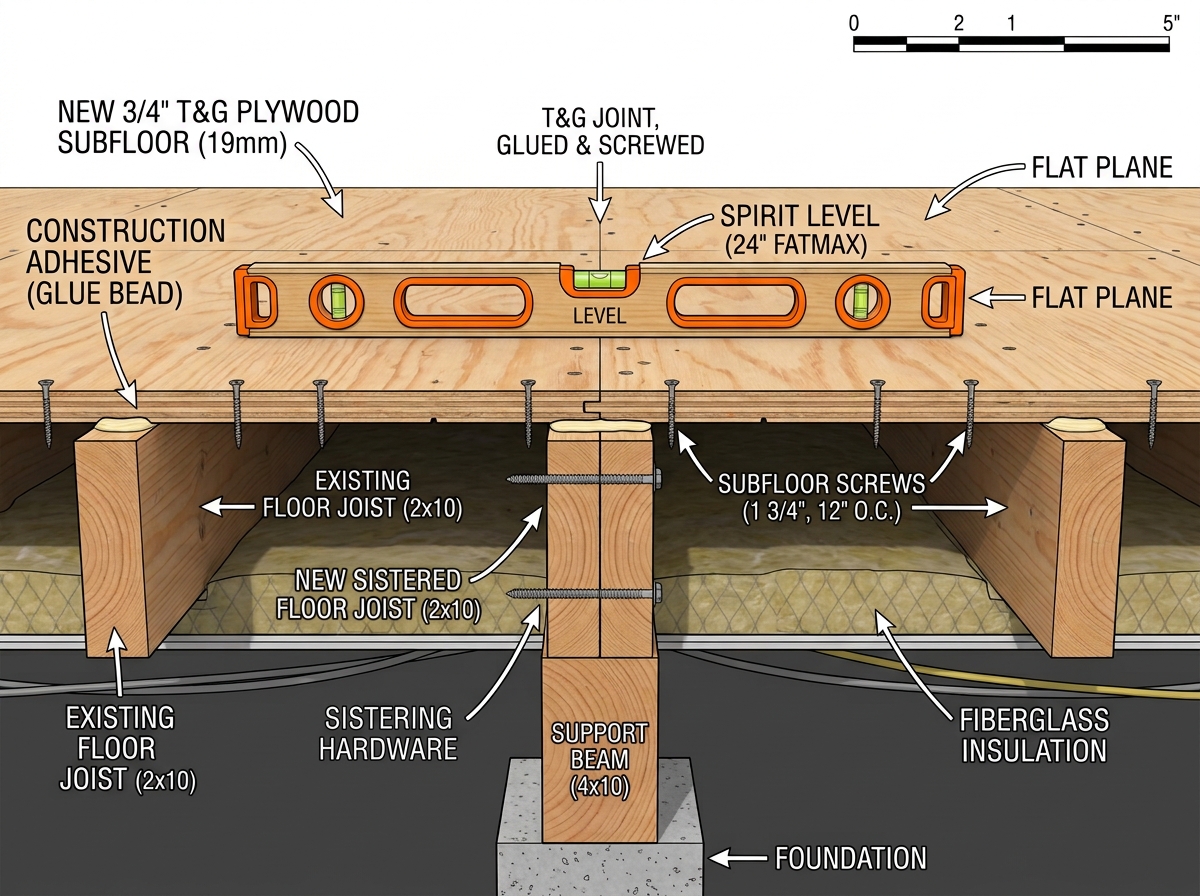
How state insurance matching statutes force carriers to replace entire elevations when replacement materials do not match.
Read Guide →
How to navigate mortgage escrow holdbacks and schedule lender progress inspections to release rebuild funds on time.
Read Guide →
Legal justification for including 10% Overhead and 10% Profit whenever three or more trades are required on a rebuild.
Read Guide →
Click any question to reveal technical procedures and compliance requirements.
This is very common. Initial insurance estimates frequently omit hidden demolition, debris disposal fees, municipal code upgrades, and proper drying equipment charges. Your licensed contractor compiles a photographic line-item supplement in Xactimate to bridge the discrepancy before rebuild begins.
ACV is the depreciated value of damaged materials at the time of loss (accounting for age and wear). RCV is the true current cost to replace or repair the property with brand new materials. Once work is completed, submitting a Certificate of Completion releases all withheld depreciation.
State insurance statutes prohibit carriers from cancelling a policy mid-term solely because you filed a single legitimate claim. However, multiple claims within a three-year window can lead to non-renewal at the end of the policy period.
The appraisal clause is a dispute-resolution mechanism in standard homeowner policies. When you and your insurer cannot agree on the monetary amount of a loss, each party hires an independent appraiser, and an umpire resolves differences without needing attorney lawsuits.
Yes. Whenever a rebuild project is complex enough to require coordination of multiple trades (e.g. drywall, electrical, plumbing, and roofing), insurers are legally required under standard industry practice to include 10% Overhead and 10% Profit for general contracting management.
Submit your property damage loss details to our technical team for preliminary analysis and estimate review.
✉️ Submit Incident Details Online →