Eliminating smoke odor from a residential property after a fire requires chemical oxidation of the volatile organic compounds (VOCs) that have penetrated soft furnishings, drywall, and structural timber. In modern restoration, two primary technologies are used: high-output ozone generators and atmospheric hydroxyl generators. While both oxidize odor molecules, their safety profiles and operational applications differ substantially.
Ozone (O3) is a powerful, highly reactive gas composed of three oxygen atoms. When ozone molecules encounter volatile smoke compounds, the unstable third oxygen atom detaches and oxidizes the pollutant. However, ozone is classified by the EPA and OSHA as a severe lung irritant and hazardous gas. During ozone treatments, the property must be strictly vacated by all human occupants, pets, and indoor plants for 24 to 48 hours.
Furthermore, prolonged ozone exposure can degrade natural rubber, carpet backings, latex foams, and electrical wire insulation. In contrast, hydroxyl generators replicate the natural atmospheric cleansing mechanism produced by solar ultraviolet rays. By passing ambient humidity across specialized UV-C optical optics coated with titanium dioxide photocatalysts, hydroxyl machines generate safe hydroxyl free radicals (•OH).
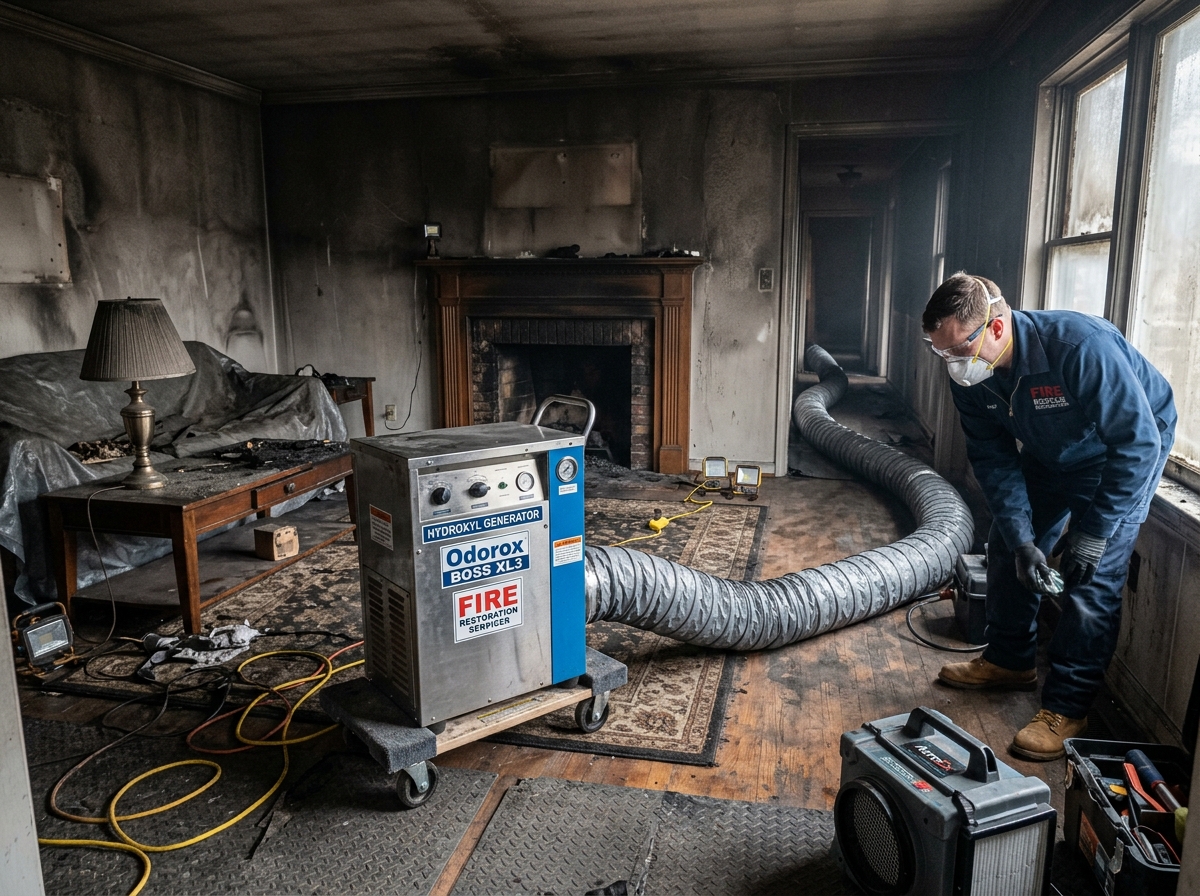
Hydroxyl radicals are over 33% more powerful oxidizers than ozone and react a million times faster with VOCs, breaking down smoke, mold, and chemical odors into harmless carbon dioxide and water vapor. Because hydroxyl radicals have a lifespan of less than a second, they are completely safe to operate in fully occupied homes, offices, and active job sites without requiring costly family relocation.
In large restoration projects, hydroxyl generators are positioned in central corridors alongside high-velocity axial air movers to distribute the reactive hydroxyl cascade throughout multiple rooms simultaneously. This continuous circulation ensures that deodorizing radicals penetrate deeply into porous upholstery, clothing, draperies, and wall cavities.
Because hydroxyl technology does not bleach fabrics or oxidize electrical copper wiring, restoration contractors can run equipment continuously while demolition and cleaning crews perform active structural remediation in the same rooms, dramatically shortening overall project timelines.
In addition to mechanical cleaning and thermal deodorization, post-fire structural recovery requires a detailed air filtration protocol. Industrial HEPA air scrubbers equipped with activated carbon and potassium permanganate filter stages are deployed to chemically absorb volatile organic compounds (VOCs), aldehydes, and benzene vapors. These gas-phase filtration stages prevent toxic combustion byproducts from redepositing onto cleaned substrates or migrating through the building’s central HVAC supply ducts.
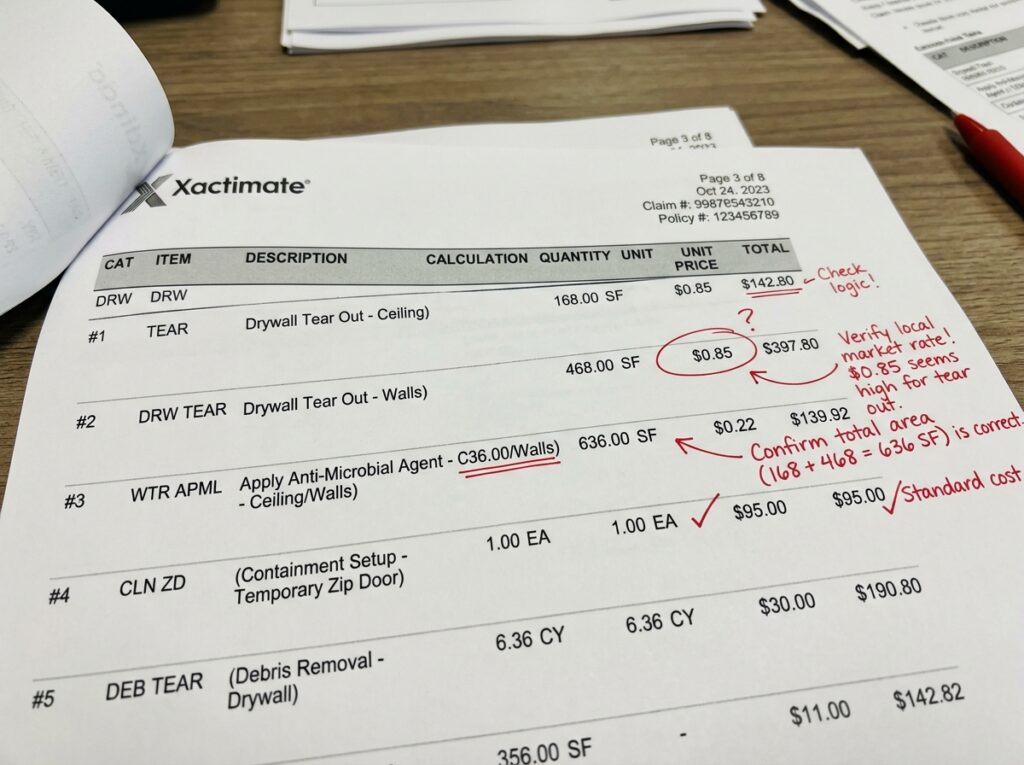
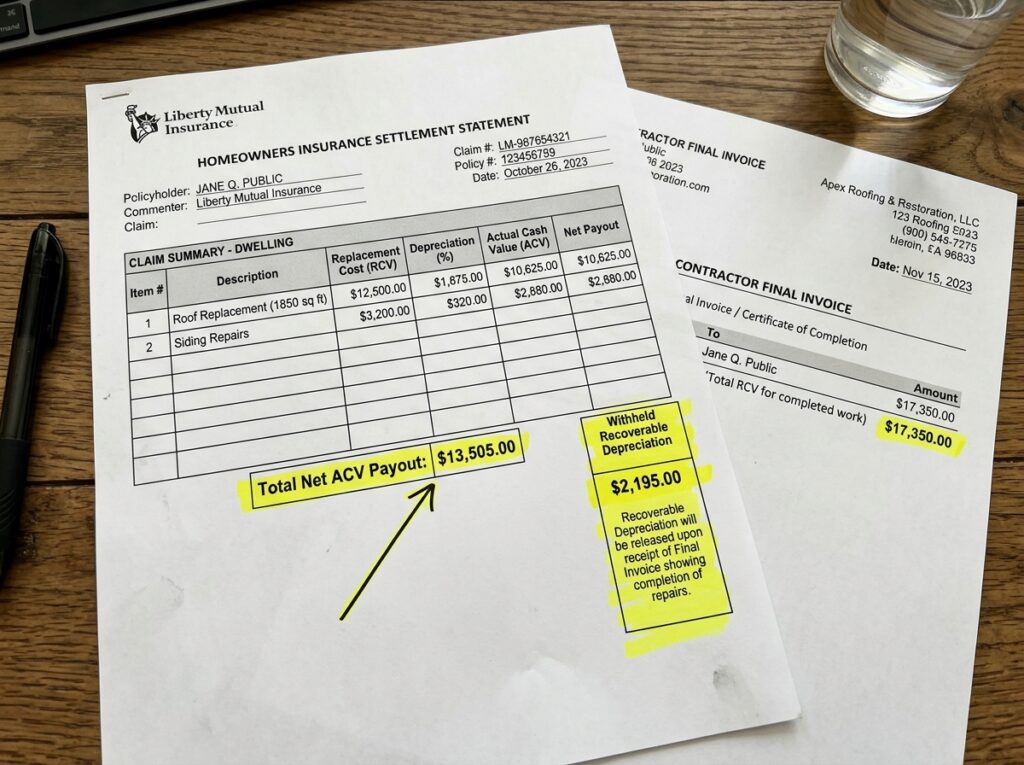
Insurance documentation for fire and smoke losses mandates line-item precision. Estimators compile photographic logs of all salvageable versus non-salvageable structural framing, duct cleaning certificates, and itemized personal property inventories with verified replacement values. Maintaining complete Xactimate line-item records (including CLNDODR and FRCBLST) ensures full carrier approval for all structural decontamination and odor encapsulation procedures.
Chemical soot mitigation also involves careful evaluation of surface porosities prior to applying liquid chemical neutralizers. Semi-porous materials such as acoustic ceiling tiles, unfinished wood joists, and exposed subflooring absorb acidic soot compounds rapidly. If liquid cleaners are applied directly to dry soot, the carbon particles become emulsified into a slurry that penetrates deeper into the substrate. Technicians always apply dry natural rubber chemical sponges first to mechanically capture surface soot before following with targeted alkaline neutralizers and solvent-based thermal fogging.
For stubborn kitchen fires, combine hydroxyl treatments with our methods for protein soot chemical neutralization. If severe smoke has permeated into structural rafters, review our contractor specs on dry ice blasting on charred wood studs. Learn more about post-fire safety in our Editorial Guidelines & Fact-Checking Policy or contact our technical desk via our Contact Portal.